


Paradise Lost, la banda británica formada en Halifax, Yorkshire, es una de las más singulares y cruciales en la historia del metal. Son considerados, junto con Anathema y My Dying Bride, como los «Big Three» del Death/Doom metal original. Sin embargo, su carrera es un estudio de caso en la reinvención, navegando desde el Death/Doom más pesado hasta el metal gótico, la electrónica y, finalmente, un poderoso retorno a la oscuridad. Su discografía es un viaje a través de la melancolía, la desesperación y la experimentación.
La Fundación Doom/Death y la Creación del Gótico (1990-1992)
Esta era marcó el nacimiento de la banda, con un sonido crudo, lento y brutal, que pronto incorporó elementos de atmósfera y teclados, creando la base para el Gothic Metal.
«Lost Paradise» (1990)
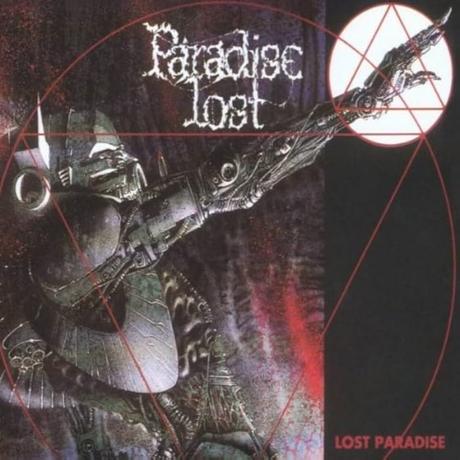
El álbum debut es una declaración de intenciones brutal. Es puro Death/Doom metal crudo y sin pulir. El sonido es lento, pesado y primitivo, con riffs cargados de sludge y las voces guturales de Nick Holmes. Álbumes como este establecieron las reglas del juego para el Death/Doom, enfocándose más en la atmósfera opresiva que en la velocidad.
«Gothic» (1991)

Un álbum seminal que creó el subgénero del Gothic Metal. Manteniendo la pesadez del Doom/Death, Paradise Lost incorporó por primera vez teclados atmosféricos y, crucialmente, voces femeninas y coros limpios. Este contraste entre la pesadez gutural y la melancolía etérea dio lugar a un nuevo sonido. Es un hito para cualquiera que quiera entender la evolución del metal gótico.
«Shades of God» (1992)
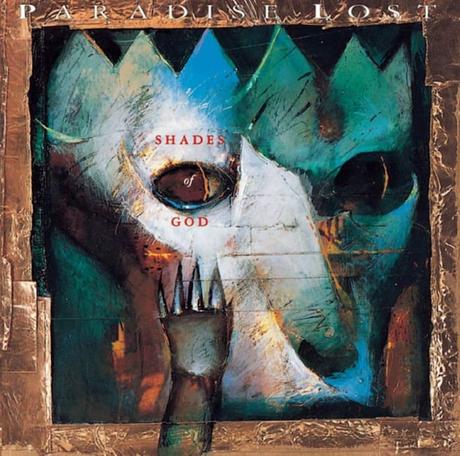
Este trabajo representó la transición de la banda hacia un sonido más pulido y mid-tempo. Aunque todavía hay growls y pesadez, las estructuras de las canciones son más accesibles y los riffs más melódicos. Se notan influencias del heavy metal tradicional y un enfoque en riffs épicos, lo que preparó el escenario para su próxima gran transformación.
La Era Dorada del Metal Gótico (1993-1995)
Con una producción impecable y una composición centrada en el heavy metal melódico y gótico, esta etapa catapultó a la banda al éxito mainstream del metal europeo.
«Icon» (1993)
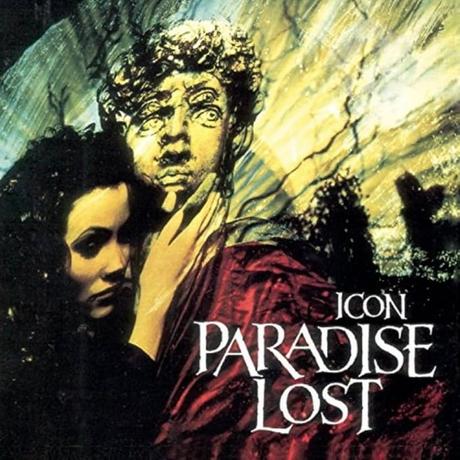
Un álbum esencial y definitorio que completó el abandono de los guturales. Nick Holmes adoptó un canto melódico y grave, mientras que la música se convirtió en Gothic Metal melódico y doom. La atmósfera es oscura, pero las canciones son pegadizas y memorables, con temas como «Embers Fire» y «True Belief». Este disco es el punto de referencia para el metal gótico en su máxima expresión comercial y artística.
«Draconian Times» (1995)
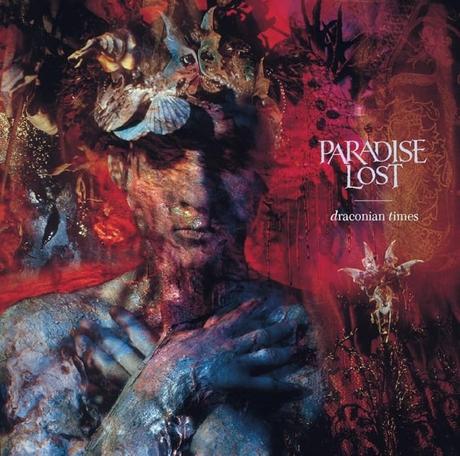
Considerado por muchos como su obra maestra y el pico de su popularidad. El sonido se acercó aún más al Heavy Metal melódico, con una producción limpia y riffs poderosos. El álbum es épico, grandilocuente y lleno de himnos góticos como «The Last Time» y «Forever Failure». Es la culminación de su sonido de los 90, una fusión perfecta de pesadez y melodía.
Experimentación y Electrónica (1997-2002)
Esta es la era más arriesgada de Paradise Lost, donde exploraron sonidos electrónicos, synth-pop y rockindustrial, alienando a algunos fans, pero ganando nuevos adeptos.
«One Second» (1997)
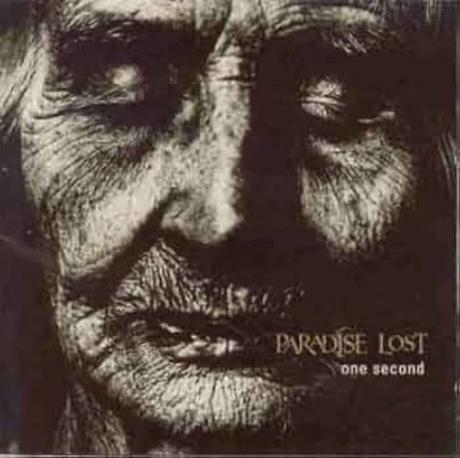
La primera gran desviación. Aunque todavía conserva una base de guitarras, la banda introdujo teclados prominentes y elementos de música electrónica y rock alternativo. La canción homónima, «One Second», es un himno del rock gótico. Fue un paso valiente hacia una composición más simple y melódica.
«Host» (1999)
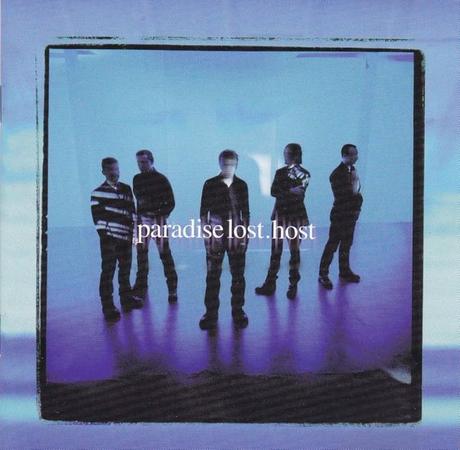
El álbum más radical y controvertido. Paradise Lost se despojó casi por completo de sus raíces metal, entregando un disco de Synth-Pop/Rock Gótico de tono sombrío, similar a bandas como Depeche Mode. Las guitarras son mínimas; el enfoque está en los sintetizadores, los beats electrónicos y el canto melancólico de Holmes. Un disco arriesgado que muestra la voluntad de la banda de seguir su visión artística.
«Believe in Nothing» (2001)
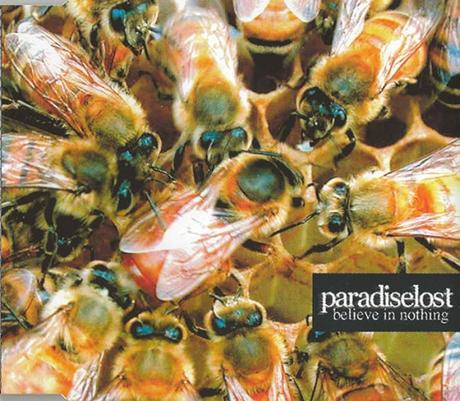
Un intento de retorno al rock más guitarrero, aunque aún muy influenciado por el sonido electrónico y pop de los discos anteriores. Contiene canciones con estructuras fuertes, pero su tono aún se siente más cercano al rock alternativo que al metal.
«Symbol of Life» (2002)
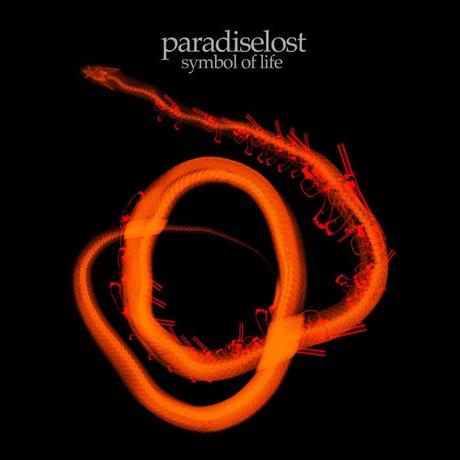
Un paso firme hacia la pesadez y las guitarras. El sonido se hizo más industrial y groove metal, con riffs más pesados y una producción moderna. Este álbum marca el verdadero inicio del viaje de regreso a sus raíces de metal, aunque con un filtro de rock industrial.
El Retorno a la Oscuridad (2005-Presente)
A partir de 2005, Paradise Lost comenzó un proceso deliberado de reconexión con su sonido Death/Doom/Gótico, volviéndose progresivamente más pesados y oscuros con cada lanzamiento.
«Paradise Lost» (2005)

El disco que lleva el nombre de la banda simboliza un nuevo comienzo. Es una mezcla de su sonido melódico de los 90 con elementos de su etapa industrial. La banda suena más metalera que en años, marcando la pauta para la pesadez que estaba por venir.
«In Requiem» (2007)
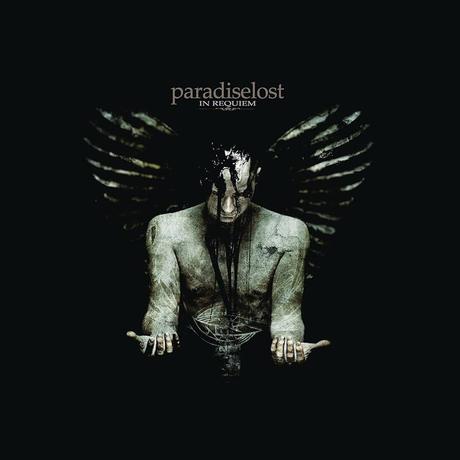
Un retorno definitivo a la pesadez y a los elementos épicos del Doom/Gótico, con una producción moderna y contundente. Es un disco oscuro, serio y potente, que recuperó la energía de sus trabajos clásicos.
«Faith Divides Us – Death Unites Us» (2009)
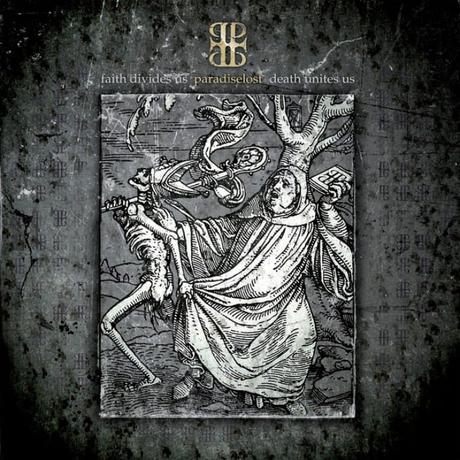
Un álbum que casi completa el círculo: la banda adopta un sonido de Death/Doom Metal moderno. La composición es sombría, con riffs densos y una atmósfera de desesperanza.
«Tragic Ido» (2012)
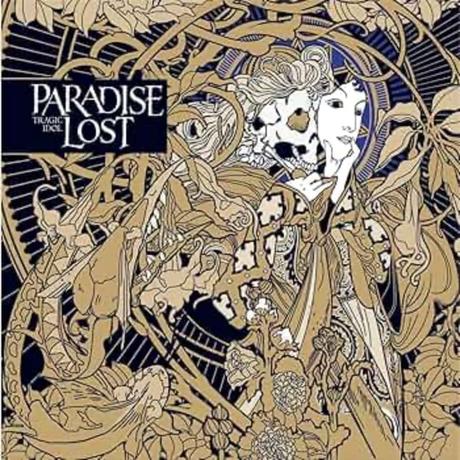
Continuación de la línea pesada, centrado en el Doom Metal melancólico. Es un disco fuerte y emocional, que demostró que la madurez de la banda se traducía en composiciones oscuras pero cautivadoras.
«The Plague Within» (2015)

El gran regreso de los guturales. Nick Holmes volvió a usar su growl por primera vez en más de 20 años, llevando a la banda a un sonido brutal que recuerda a sus primeros trabajos, pero con la maestría compositiva de su madurez.
«Medusa» (2017)
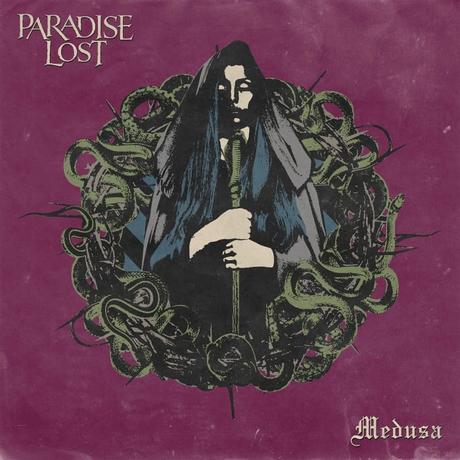
Considerado uno de sus álbumes más lentos y pesados en décadas. Es un disco de puro Doom Metal, aplastante y atmosférico. Un testamento de la banda a sus raíces más oscuras y pesadas.
«Obsidian» (2020)
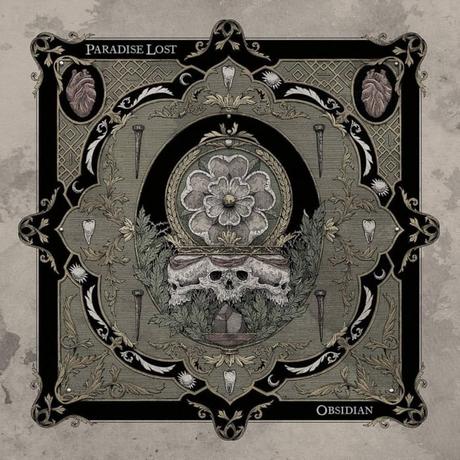
Este trabajo es una síntesis de su carrera. Combina la pesadez y los growls de los últimos discos con el toque gótico y melódico de la era «Icon» y «Draconian Times». Es un álbum que mira hacia su pasado, pero suena completamente moderno y cohesivo.
«Ascension» (2025)

Su decimoséptimo álbum de estudio y el más reciente, que continúa la veta Death/Doom Gótico de su última etapa. La producción, a cargo del guitarrista Gregor Mackintosh, es alabada por su equilibrio entre una pesadez doom aplastante y los detalles melancólicos del gothic metal. Se describe como un disco cinematográfico, que amalgama todos los elementos distintivos de la banda.
La discografía de Paradise Lost es un mapa de la evolución de la música pesada de las últimas tres décadas. Es un testimonio de que la audacia artística y la voluntad de reinventarse pueden llevar a un legado duradero y fascinante.
Paradise Lost, the British band formed in Halifax, Yorkshire, is one of the most singular and crucial in the history of metal. They are considered, along with Anathema and My Dying Bride, as the «Big Three» of the original Death/Doom metal. However, their career is a case study in reinvention, navigating from the heaviest Death/Doom to gothic metal, electronic music, and, finally, a powerful return to darkness. Their discography is a journey through melancholy, despair, and experimentation.
The Death/Doom Foundation and the Creation of Gothic (1990-1992)
This era marked the birth of the band, with a raw, slow, and brutal sound, which soon incorporated elements of atmosphere and keyboards, creating the base for Gothic Metal.
«Lost Paradise» (1990)
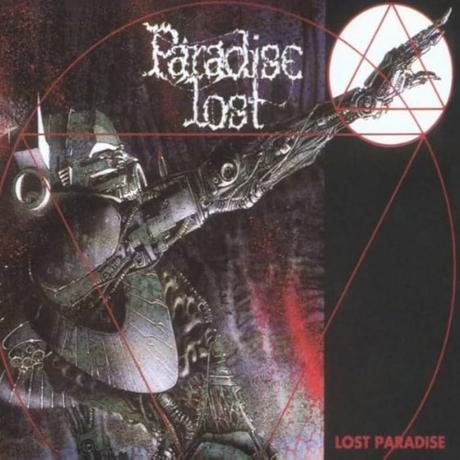
The debut album is a brutal statement of intent. It is pure raw and unpolished Death/Doom metal. The sound is slow, heavy, and primitive, with sludge-laden riffs and the guttural vocals of Nick Holmes. Albums like this set the rules of the game for Death/Doom, focusing more on the oppressive atmosphere than on speed.
«Gothic» (1991)
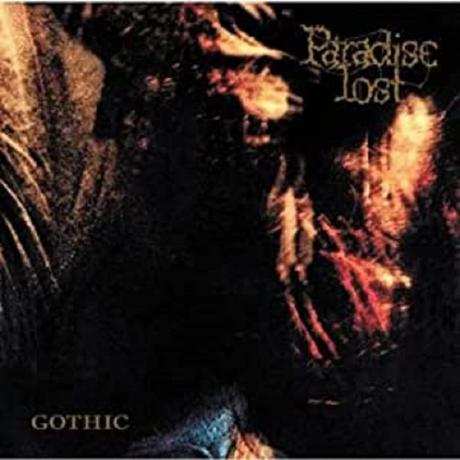
A seminal album that created the Gothic Metal subgenre. Maintaining the heaviness of Death/Doom, Paradise Lost incorporated atmospheric keyboards and, crucially, female vocals and clean choirs for the first time. This contrast between guttural heaviness and ethereal melancholy gave rise to a new sound. It is a milestone for anyone who wants to understand the evolution of gothic metal.
«Shades of God» (1992)
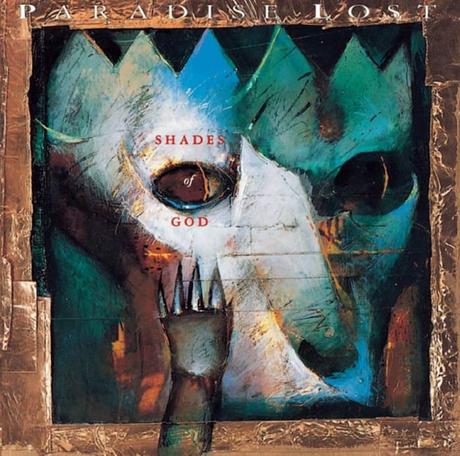
This work represented the band’s transition towards a more polished and mid-tempo sound. Although there are still growls and heaviness, the song structures are more accessible and the riffs more melodic. Influences from traditional heavy metal and a focus on epic riffs are noticeable, which set the stage for their next big transformation.
The Golden Age of Gothic Metal (1993-1995)
With impeccable production and a composition focused on melodic and gothic heavy metal, this stage catapulted the band to mainstream success in European metal.
«Icon» (1993)
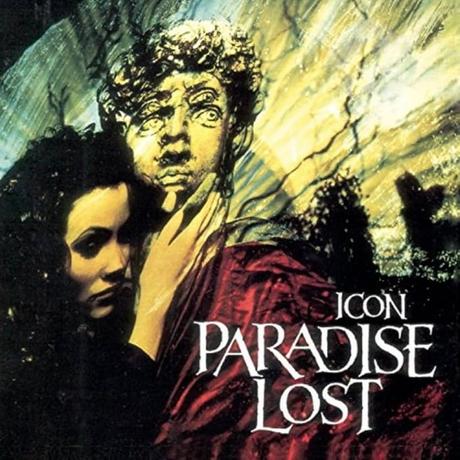
An essential and defining album that completed the abandonment of the gutturals. Nick Holmes adopted a melodic and low-pitched singing style, while the music became melodic Gothic Metal and Doom. The atmosphere is dark, but the songs are catchy and memorable, with tracks like «Embers Fire» and «True Belief». This record is the reference point for gothic metal at its commercial and artistic peak.
«Draconian Times» (1995)
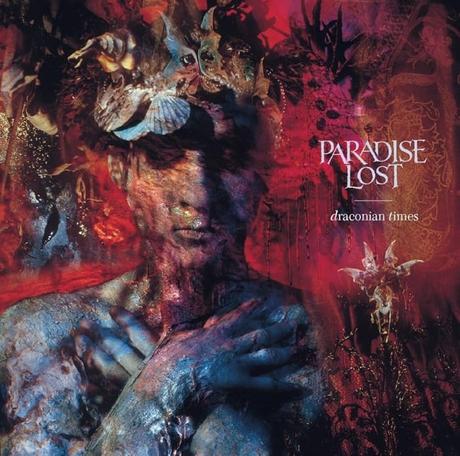
Considered by many to be their masterpiece and the peak of their popularity. The sound moved even closer to melodic Heavy Metal, with clean production and powerful riffs. The album is epic, grandiose, and full of gothic anthems like «The Last Time» and «Forever Failure». It is the culmination of their 90s sound, a perfect fusion of heaviness and melody.
Experimentation and Electronic Music (1997-2002)
This is Paradise Lost‘s riskiest era, where they explored electronic sounds, synth-pop, and industrial rock, alienating some fans but gaining new adherents.
«One Second» (1997)
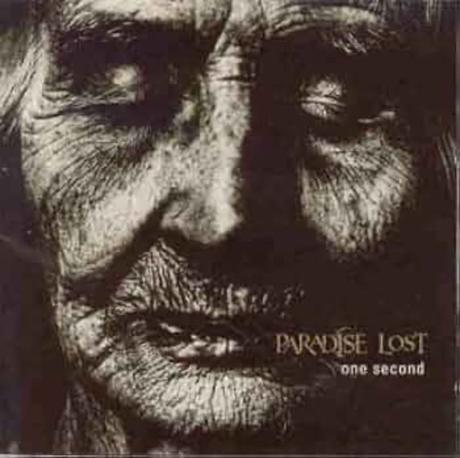
The first great deviation. Although it still retains a guitar base, the band introduced prominent keyboards and elements of electronic music and alternative rock. The title track, «One Second», is a gothic rock anthem. It was a brave step towards a simpler, more melodic composition.
«Host» (1999)

The most radical and controversial album. Paradise Lost almost completely stripped away its metal roots, delivering a Synth-Pop/Gothic Rock record with a sombre tone, similar to bands like Depeche Mode. The guitars are minimal; the focus is on synthesizers, electronic beats, and Holmes‘ melancholy singing. A risky album that shows the band’s willingness to follow its artistic vision.
«Believe in Nothing» (2001)
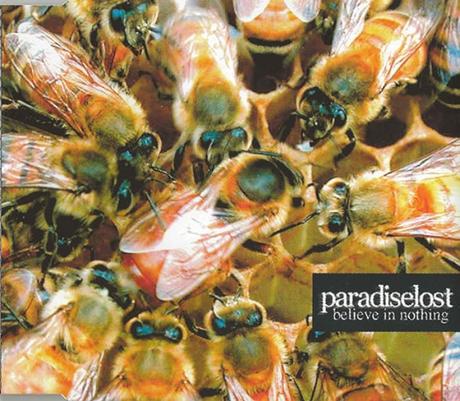
An attempt to return to more guitar-driven rock, although still heavily influenced by the electronic and pop sound of the previous albums. It contains songs with strong structures, but its tone still feels closer to alternative rock than to metal.
«Symbol of Life» (2002)

A firm step towards heaviness and guitars. The sound became more industrial and groove metal, with heavier riffs and modern production. This album marks the true beginning of the journey back to their metal roots, albeit with an industrial rock filter.
The Return to Darkness (2005-Present)
Starting in 2005, Paradise Lost began a deliberate process of reconnection with their Death/Doom/Gothic sound, becoming progressively heavier and darker with each release.
«Paradise Lost» (2005)
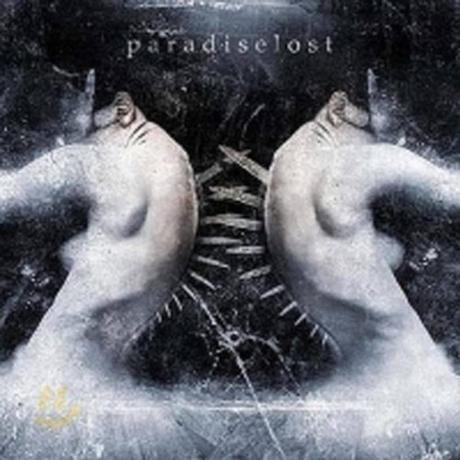
The album named after the band symbolizes a new beginning. It is a mixture of their melodic 90s sound with elements from their industrial stage. The band sounds more like metal than in years, setting the standard for the heaviness that was to come.
«In Requiem» (2007)
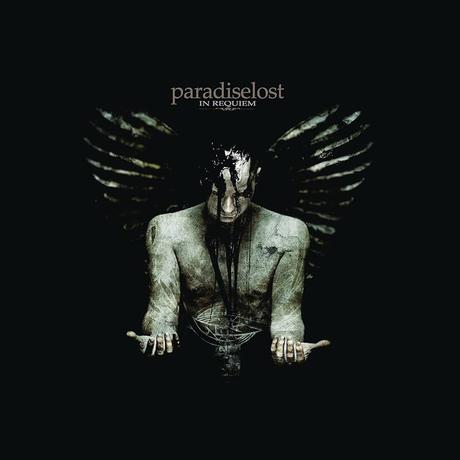
A definitive return to heaviness and the epic elements of Doom/Gothic, with modern and forceful production. It is a dark, serious, and powerful record that recovered the energy of their classic works.
«Faith Divides Us – Death Unites Us» (2009)
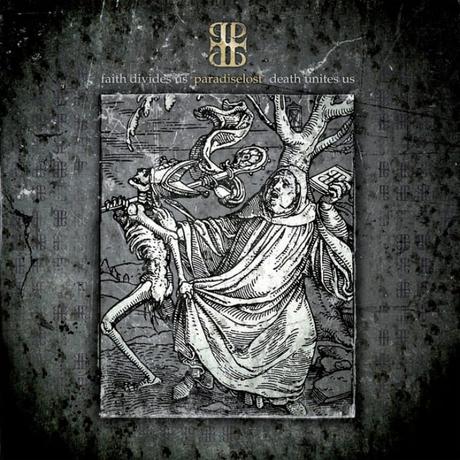
An album that almost completes the circle: the band adopts a modern Death/Doom Metal sound. The composition is sombre, with dense riffs and an atmosphere of hopelessness.
«Tragic Idol» (2012)
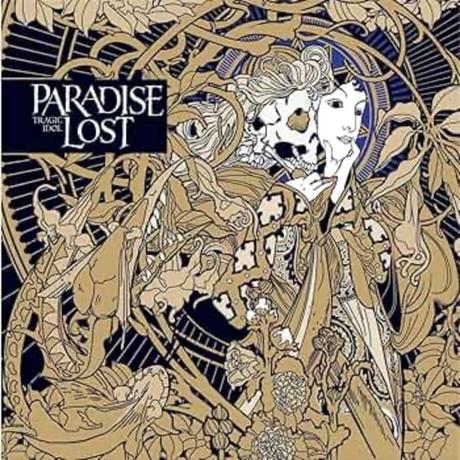
Continuation of the heavy line, focused on melancholic Doom Metal. It is a strong and emotional record, which demonstrated that the band’s maturity translated into dark but captivating compositions.
«The Plague Within» (2015)

The great return of the gutturals. Nick Holmes returned to using his growl for the first time in over 20 years, leading the band to a brutal sound reminiscent of their early works, but with the compositional mastery of their maturity.
«Medusa» (2017)

Considered one of their slowest and heaviest albums in decades. It is a record of pure Doom Metal, crushing and atmospheric. A testament by the band to their darkest and heaviest roots.
«Obsidian» (2020)
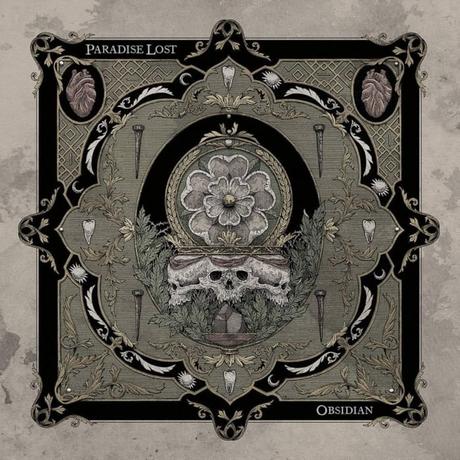
This work is a synthesis of their career. It combines the heaviness and growls of the latest albums with the gothic and melodic touch of the «Icon» and «Draconian Times» era. It is an album that looks back at its past, but sounds completely modern and cohesive.
«Ascension» (2025)

Their seventeenth studio album and the most recent one, which continues the Death/Doom Gothic vein of their latest stage. The production, handled by guitarist Gregor Mackintosh, is praised for its balance between a crushing doom heaviness and the melancholic details of gothic metal. It is described as a cinematic record, amalgamating all the band’s distinctive elements.
Paradise Lost‘s discography is a map of the evolution of heavy music over the last three decades. It is a testament that artistic audacity and the will to reinvent oneself can lead to a lasting and fascinating legacy.







 Puzzle Bobble
 Karate Blazers
 Puzzle De Bloques
 Magical Cat Adventure