


Estas dos pinturas formaron parte de la Exposición temporal “Paul Durand-Ruel y los últimos destellos del impresionismo”, que estuvo en la Galería Mapfre a primeros de año. De ella he tomado la información que acompaña a los cuadros.
These two paintings were part of the temporary exhibition «Paul Durand-Ruel and the Last Glimpses of Impressionism,» which was at the Mapfre Gallery at the beginning of the year. From her I have taken the information that accompanies the tables.
El trabajo de Maxime Maufra, que había quedado deslumbrado por la obra de William Turner durante un viaje de juventud a Londres en 1883, se centra en gran parte en la representación del paisaje costero de Bretaña y Normandía. En 1890, abandonó el negocio familiar para enfocarse en su carrera artística. Fue entonces cuando decidió instalarse en Bretaña, primero en Pont-Aven y más tarde en Le Pouldu, donde entró en contacto con Paul Gauguin y sus teorías sintetistas, que, sin embargo, no ejercieron una gran influencia en su trabajo. A pesar de ello, Gauguin se mostró sensible a su talento: «Usted y yo seguimos caminos distintos; persista usted en el suyo, que es bueno».
The work of Maxime Maufra, who had been captivated in his youth by the art of J.M.W.Turner during a trip to London in 1883, focused largely on the depiction of the coastal landscapes of Brittany and Normandy. In 1890 he left the family business to focus on his artistic career. In was at this point that he decided to settle in Brittany, firstly in Pont-Aven and later in Le Pouldu where he came into contact with Paul Gauguin and that artist’s Synthetist theories which did not, however, significantly influence his work. Despite this, Gauguin showed himself to be aware of Maufra’s Abilities: «You and I follow different paths; persist with yours, which is good».
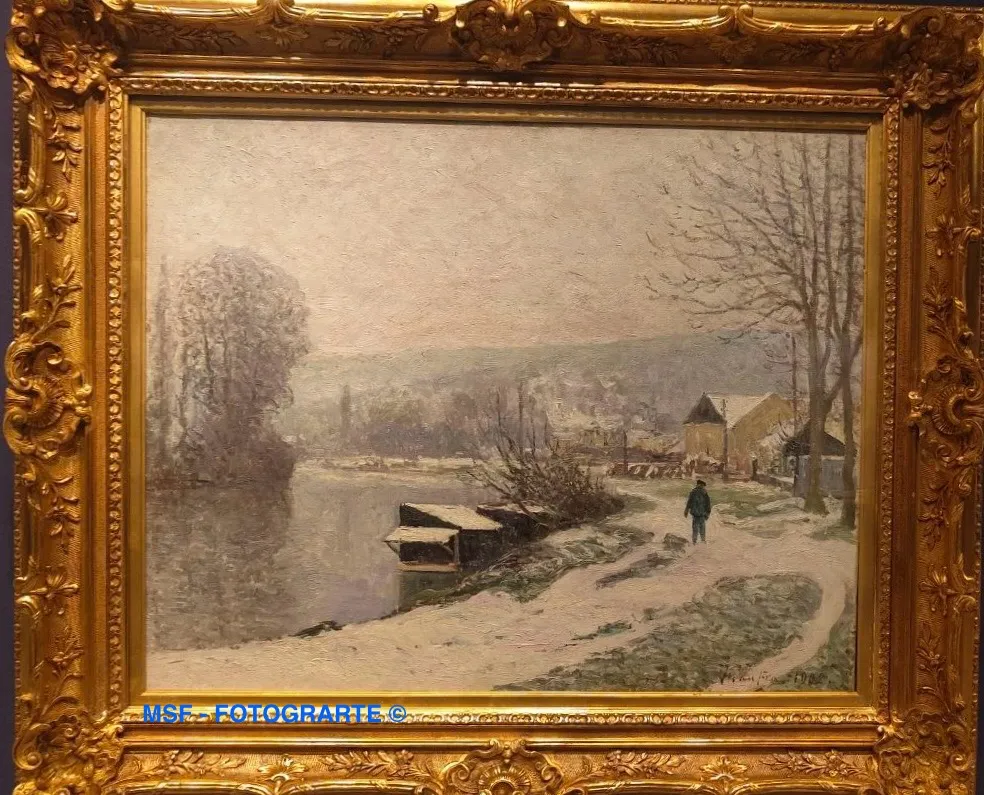 La nieve en Port-Marly
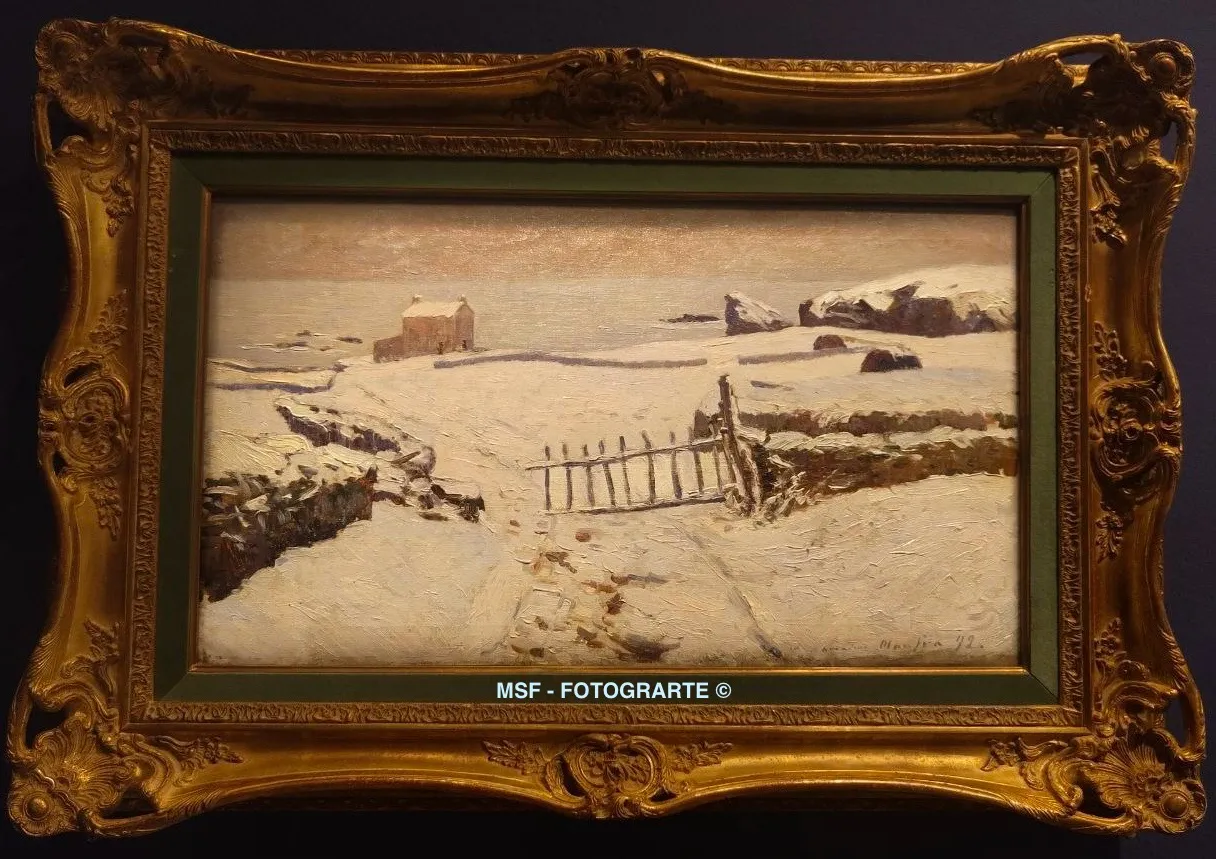 Efecto de nieve junto al mar en Bretaña, 1892.
En 1892, Maufra pintó esta escena en un formato panorámico y con un enfoque algo más tradicional que el empleado por Claude Monet en los cuadros de nieve que pintó en Étretat entre 1868 y 1869. Maufra aprovecho los efectos de luz crepusculares y del amanecer para recrear la sensación de misterio propia de una región marítima en la que la fugacidad de la luz genera atmósferas muy variables y sorprendentes.
In 1892, Maufra painted this scene in a panoramic format and with a somewhat more traditional approach than that employed by Claude Monet in the paintings of snow he produced at Treat between 1868 and 1869. Maufra took advantage of the effects at dawn and dusk light, using them to create a slightly mysterious atmosphere typical of a maritime region in which the fleeing natura of the light generates very variable and surprising atmospheric effects.








 Puzzle Bobble
 Karate Blazers
 Puzzle De Bloques
 Magical Cat Adventure