


(English Below)
introducción
-
«The Lamentations» se anuncia como tu obra más íntima hasta la fecha, concebida en solitario. ¿Cómo difiere el proceso creativo y emocional de trabajar completamente sola, en contraste con álbumes anteriores o colaboraciones de alto perfil como las realizadas con Aaron Stainthorpe de My Dying Bride?
No soy ajena a trabajar sola. Los álbumes de Forever Autumn se suelen concebir en solitario, con otros músicos que vienen a participar durante las grabaciones o las actuaciones en directo. Por mi cuenta, soy libre de seguir la urdimbre y la trama de la música, liberado de los límites de la colaboración. A veces puede ser solitario o frustrante, pero aprendí a trabajar sola hace mucho tiempo. Esta es una zona pequeña y es difícil encontrar músicos afines para un proyecto tan original como Forever Autumn.
En cuanto al proceso creativo y emocional, Forever Autumn, y de hecho «the Lamentations», es y son muy personales. Al trabajar sola, tiendo a sentir eso con mucha más intensidad. Me permite invertir la sustancia necesaria para que este álbum visceral absorba realmente toda su vida, muerte y energía del ser. De esta manera, el arte transmite verdaderamente el significado, el mensaje y la medicina que hacen de «the Lamentations» la obra fuerte que es.
Cuando trabajé con Aaron, ya tenía mis partes escritas y listas. Él fue capaz de entregar justo lo que se necesitaba para la obra en ese momento. Colaboramos e hizo un trabajo increíble con lo que estaba escrito y aportó una vida extra a las canciones en las que participó. También hay que decir que, dentro de los procesos de composición y grabación, mucho tiene que ver también con el entorno y los horarios de vida de los demás, de ahí la dependencia inicial de uno mismo, y el aprovechamiento de tiempos extraños y energías raras para poder escribir, tocar o grabar.
Trabajar sola me ha dado inmensas libertades, pero también me niega parte de esa sensación de pertenecer realmente a una banda; sin embargo, Forever Autumn es una entidad muy privada y protegida, muy personal e infinitamente posible.
- Utilizas instrumentación acústica y versatilidad vocal salvaje para invocar la intensidad del Doom y el Black Metal. ¿Cómo logra Autumn Ni Dubhghaill traducir la pesadez y la atmósfera de estos géneros extremos con instrumentos principalmente acústicos?
Mi primer pensamiento: me alegra que la pesadez se transmita. A menudo me he preguntado si realmente lo hacía. Esta pregunta ayuda a impulsar mi convicción, así que gracias. Una de las formas de trasladar los riffspesados y los gritos de otro mundo es tocando los riffs de metal, intentando tocar shred en una guitarra acústica y la interpretación vocal llena de tristeza.
«Self-Portrait in Blue, Black and Grey», por ejemplo, se construyó sobre mi versión de un riff de ‘stoner doom’, pero con mi acústica se activó parte del rasgueo y las cuerdas al aire, transformando un simple riff’stoner’ en algo más grande. El rasgueo de los riffs de metal contiene toda la pesadez del extreme metal con la magia y la mística añadidas que se han vuelto sinónimas de Forever Autumn.
Vocalmente, entro con los gritos y tormentos asociados a la pesadez y la atmósfera mencionadas en la pregunta anterior. Es importante no reprimirse, sentir y encarnarlo todo, lo cual no es un desafío lejano estando tan cerca de la música y su composición. Las voces extremas son mi amor por el Doom y el Black Metal profundamente arraigado en mi interior. Forever Autumn puede ser principalmente acústico, pero eso no significa que necesite hacer acordes bonitos y cantar bien. La energía y la emoción presentes, las revelaciones y el sufrimiento de cada parte, llegan por caminos que me resultan familiares y que yo mismo he adoptado.
El metal despojado de artificios puede no ser para todos, pero si lo dejas entrar, promete un viaje emocional y una experiencia profunda.
-
El álbum se inspira en la música folk global, la magia natural y la «memoria inherente». ¿Podrias describir cómo se manifiesta esta «memoria inherente» en temas como «Self-Portrait In Blue, Black And Grey» o «The Black Candle»?
La «memoria inherente» de la que se habla impregna la totalidad de «the Lamentations». Dentro de «Self-Portrait in Blue, Black and Grey» y «The Black Candle» específicamente, encontramos inspiración tanto en espacios antiguos como contemporáneos.
«Self-Portrait in Blue, Black, and Grey» explora los rituales de la primavera y el alejamiento de las garras del invierno. No es necesariamente mi época favorita del año, pero es, sin embargo, esencial dentro de la Rueda. Hay un vínculo primario que todos tenemos con nuestro pasado ancestral y los antepasados que nos precedieron. Este «Autorretrato» examina y celebra esos vínculos mientras hace referencia al ritual y al autodescubrimiento.
«The Black Candle» habla de presagios para un futuro incierto. Implica la promesa de un alivio venidero, pero no sin turbulencia. En el tiempo transcurrido desde la creación de la canción, las pruebas han continuado e incluso se han multiplicado. Estamos lejos del alivio prometido, pero la canción es una premonición y esperamos creer. Esa «memoria inherente» surge a través de «the Black Candle» en la simplicidad de la guitarra, los movimientos del violonchelo y el profundo vibrar del tambor. «The Black Candle» nos aleja de la Luz de la Rueda y nos devuelve a la Oscuridad. Nos prepara para un tiempo de contemplación tranquila y la lucha por seguir adelante.
-
El lanzamiento de «The Lamentations» está programado para la noche de la Luna del Lobo (3 de enero de 2026). ¿Existe una conexión entre los ciclos lunares, la magia natural y el contenido lírico o la atmósfera del álbum?
Hubo algunas razones para elegir la Luna del Lobo de 2026. Había cierta practicidad; los LPs no debían llegar hasta algún momento nebuloso de noviembre y parecía problemático lanzar en la idea original del Solsticio de Invierno. Sin estar seguros de si los discos llegarían a tiempo y con el ajetreo de las «fiestas» y la locura de los correos de esa temporada, elegimos un momento más tranquilo, en la oscuridad del invierno. La Luna del Lobo fue elegida también como una fecha adecuada, para darnos tiempo de lanzar la campaña de PR, pero a pesar de todo esto, sí, hay una conexión con los ciclos lunares, la magia natural y la atmósfera y el contenido del álbum.
Los ciclos lunares y su magia son una energía esencial para «the Lamentations» y se pueden encontrar referencias en parte del contenido lírico del álbum. Por ejemplo, dentro de «Beltaine», tenemos las palabras: «…celebramos en soledad mientras invocamos a la luna…» («…we celebrate in solitude whilst drawing down the moon…»). La magia natural teje la historia de «the Lamentations» y nos guía a través de su experiencia. Estas cosas son importantes para mi proceso y, de hecho, para la forma en que serpenteo por este mundo. La forma en que estas fuerzas interactúan con el oyente puede ser transformadora e iluminadora. Pueden ayudarnos a vernos a nosotros mismos bajo la luz lunar. Nos animan a abrazar la oscuridad y a movernos dentro de nuestros ritmos naturales.
-
El álbum fue masterizado por Jack Control (Darkthrone, Inculter), conocido por su trabajo en el Black Metal crudo. ¿Qué buscaba específicamente Forever Autumn al recurrir a su experiencia para darle forma al sonido final de una obra predominantemente acústica?
No recuerdo exactamente cómo conocí a Jack. Fue con el álbum «Hail the Forest Dark». Si mal no recuerdo, había usado a un tipo local para «Howls in the Forest at Dusk», pero cuando volví a contactarlo para «Hails…» estaba demasiado ocupado para mí. Es un misterio cómo encontré a Jack. Debo haber tenido una referencia de alguien. Nos pusimos en contacto y desde entonces ha masterizado los últimos tres álbumes de Forever Autumn. Al principio, no sabía que era tan importante, trabajando con Darkthrone y demás. Fue un descubrimiento divertido, y reforzó el trabajo que ya estaba haciendo, que era fenomenal. «Hail the Forest Dark» fue un desvío de tres canciones de Black Metal eléctrico (con la participación de Aaron Stainthorpe, y tener a alguien que conocía el funcionamiento interno del black metal fue ventajoso). Después de «Hails…» y para «Crowned in Skulls», volví a Jack. Fue muy amable, comunicativo y servicial. Trabaja de manera eficiente y fenomenal. No me sentí extraña en absoluto al volver a él con material acústico. Ha llegado a comprender Forever Autumn y sabe cómo sacar a relucir la magia y la medicina. Aunque al principio no sabía nada de Jack, planeo llevarle todos los álbumes hasta que se canse de mí.
-
«Beltaine» es la emotiva pista de apertura. ¿Qué significado tiene esta fiesta estacional en el contexto del álbum y qué papel juega como introducción a este viaje profundamente conmovedor?
Cada año, intento decirme a mí misma que celebraré correctamente, con fuego, humo y ritual, pero como leemos en las letras iniciales: «Agayne another Beltaine quickly passes by…» (De nuevo, otro Beltane pasa rápidamente…). Pasa velozmente y me encuentro de nuevo con que tuve la suerte de simplemente encender una vela, quemar algo de incienso y observar en silencio. Aunque ese tiempo pase apresuradamente, deja una marca duradera.
Esta pista toca especialmente esa «memoria inherente» de la que hablamos en preguntas anteriores. El álbum comienza con celebración, pero también comienza con tristeza. Habla de una desconexión con personas y lugares lejanos a través del mar del tiempo. Se visita el ritual en esta canción, los rituales que son más difíciles de encontrar en esta nueva modernidad. «Beltaine» reconstruye esa conexión y nos pone en el camino, en la aventura, en la travesía de «the Lamentations».
-
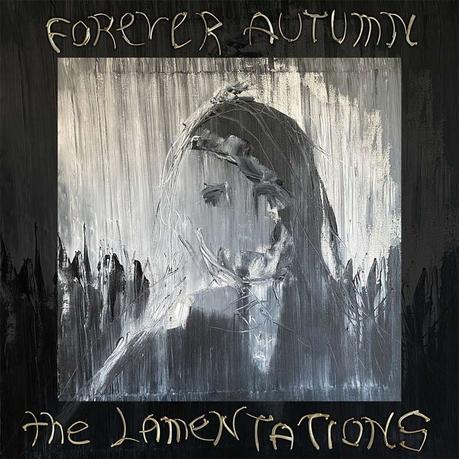
Eres la artista detrás del arte de la portada. ¿Qué atmósfera o idea visual buscaste plasmar para envolver lírica y estéticamente el concepto de «The Lamentations»?
La portada de «the Lamentations» presenta una pieza de una serie pintada a principios de año: los Winter Portraits (Retratos de Invierno). Se trata de una colección de quince autorretratos que me ayudaron a redefinir mi relación con la pintura. Este retrato en particular, el número trece, ha llegado a encarnar las energías de «the Lamentations».
Durante mucho tiempo he tenido una de mis fotos de autorretrato en las portadas de mis álbumes. Esta pintura mantiene esa tradición, pero se aparta del realismo de las fotos hacia un yo más interpretativo en todas sus penas, reflejando «the Lamentations» en raspaduras de pintura y pigmento. Dado que el álbum es aclamado como más íntimo que nunca, se sintió importante colocar un retrato íntimo en la portada.
La caligrafía también, esculpida con costillas de ciervo, pasa de una tipografía más tradicional de Black Metal a algo personal y primario, llevando a Forever Autumn a una nueva etapa de existencia.
- Forever Autumn ha estado tejiendo composiciones desde principios de milenio. ¿Cómo ha evolucionado la definición del Folk Metal y del Metal Extremo Underground desde entonces, y cómo se posiciona su sonido de «Folk Extremo Acústico» dentro de esta evolución?
He visto muchos cambios en el Underground en los últimos veinticinco años. Cuando Forever Autumn surgió por primera vez en la escena, era un lugar muy diferente al que tenemos ahora. Había una camaradería dando vueltas y mucho apoyo desde lugares extraños. Era una época de intercambio de demos y cartas escritas, paquetes enviados a todo el mundo (cuando el franqueo era razonable y requería llenar menos formularios). Recuerdo con cariño copiar cintas demo y escribir las listas de canciones y créditos y enviarlas a lugares lejanos con notas escritas a mano y lo que se pudiera improvisar como merch en ese momento.
En aquel entonces, la gente era más propensa a intercambiar. Tal vez todavía sucede y soy yo quien lo encuentra menos. Sí, he visto muchos cambios a medida que las redes sociales se apoderaron y migraron de una plataforma a otra; el advenimiento del streaming y las dificultades de la comunicación fluida. En cierto modo, la inundación de información también ha hecho que sea muy difícil distinguir el ruido. Hubo un punto de encuentro, un lugar de reunión, al principio en doom-metal.com que fue fundamental para la exposición temprana de Forever Autumn y para el sentido de comunidad. Surgieron muchas oportunidades allí.
Es un poco gracioso que, desde hace tanto tiempo, había bandas que surgieron casi al mismo tiempo que yo y aquí, veinticinco años después, me encuentro con algunas de esas mismas bandas de entonces en las redes sociales y similares. Yo las recuerdo y ellas me recuerdan, y formamos un vínculo a lo largo del tiempo.
Sin embargo, no sé si soy un buen juez de la escena en estos días. Me he recluido en gran medida y no me mantengo al día de la misma manera que antes. No estoy segura de si eso se atribuye a la edad o a algún otro factor. Es un milagro que pueda seguir el ritmo de las pocas redes sociales que utilizo. Forever Autumn surgió en un extraño tiempo de transición entre cómo eran las cosas y cómo han llegado a ser. Similar al cine y luego a la fotografía digital, de los press kits con fotos de 8×10 a los EPKs que giran por el éter en estos días. He visto muchos cambios y estoy haciendo todo lo posible para mantenerme al día.
En cuanto a cómo existe mi trabajo dentro de la evolución del Underground, me temo que no estoy más cerca de responder eso que hace décadas. Sigo sin estar segura de mi lugar en el Extreme Metal Underground, pero estoy feliz de estar aquí. He estado dando vueltas por la periferia durante eones. Las dificultades para encontrar mi lugar continúan, pero después de todo este tiempo, parece que realmente tengo uno. Los fans de Forever Autumn están muy dispersos pero son escasos, de tal manera que es difícil saber si has llegado a alguien, y aún más intentar reunirlos.
A estas alturas, puedo ser una reliquia de una época pasada, o quizás todavía extrañamente relevante, pero he pasado incontables años labrando un lugar musgoso y sombrío dentro del Underground, con un pequeño fuego y raíces expuestas y retorcidas.
-
La colaboración con figuras como Aaron Stainthorpe subraya un respeto mutuo entre géneros. ¿Crees que el Doom Metal es el género más permeable para este tipo de fusiones emotivas con el Folk, en comparación con el Black Metal más rígido?
Hace mucho tiempo pude haber pensado que ese era el caso; después de todo, siempre he llamado a Forever Autumn ‘Acoustic Doom‘ (Doom Acústico); sin embargo, con el progreso de mi obra he visto cómo el Black Metal también se cruza bien. Incluso lo llaman Pagan Folk y Avant-Garde (me gustan esas palabras). Lo extraño de todo esto es que nunca he considerado realmente a Forever Autumn como ‘Folk’. En mi mente, Forever Autumn siempre ha sido una banda de Metal.
A lo largo de los años he visto las influencias de las músicas folk en mi obra. No Folk como género en sí mismo, sino esa «memoria inherente» de la que se habló anteriormente. La influencia de las músicas tradicionales parece ser el elemento Folk.
La rigidez del Black Metal para mí es solo percibida. Es igual de dinámico y versátil que cualquier otro [género], aunque el Doom es a menudo más emotivo, al menos la gente parece sentirse más libre para expresarse a través del vehículo del Doom que del Black Metal. Las colaboraciones con Aaron ciertamente han demostrado que el Doom y el Folk funcionan bien juntos. Todavía no he trabajado con ningún otro músico de Black Metal, pero el género parece fusionarse bien con la esencia de Forever Autumn.
-
Como artista que reside en las tierras altas boscosas de los Berkshires, ¿cuánto influye la geografía y el aislamiento en el tono melancólico y la inspiración de su música?
Tengo la suerte de estar así de cerca del mundo natural. Ha tenido y sigue teniendo una gran influencia en mi obra, mi inspiración y mi proceso. Puedo vagar por los bosques, tropezar con huesos y otros tesoros y traerlos de vuelta para el arte, la energía y la influencia. Los Berkshires son una zona hermosa, aunque carecen de muchas de las oportunidades y la diversidad que se pueden encontrar en lugares más grandes.
Aquí tenemos cuatro estaciones, y los inviernos pueden ser largos, oscuros y fríos. No lo querría de otra manera. Eso, quizás, contribuye al aislamiento y la melancolía de mi obra, tanto como este pequeño rincón del mundo. La estación de mi nombre (Autumn / Otoño) es brillante y desoladora aquí e inspira a los visitantes a venir a contemplar las maravillas.
Esta zona no está exenta de desafíos, y es un lugar muy difícil y poco apreciativo para algo tan singular como Forever Autumn. Hay pocos lugares para actuar, especialmente en lo que respecta al Underground, pero los árboles y las montañas, las cascadas y los riachuelos, todo influye en mi obra y no solo en Forever Autumn.
-
El proyecto es un esfuerzo en solitario. En un mundo dominado por bandas con múltiples miembros, ¿cuáles son las mayores ventajas y los desafíos más apremiantes al mantener la visión artística pura como un proyecto unipersonal?
Algunas de las ventajas de trabajar en solitario son geniales. La libertad creativa es una de ellas, mientras que trabajar con tu propio horario es otra. Puede ser difícil, por decir lo menos, intentar reunir a todos para los ensayos de la banda. Incluso que solo Jon y yo toquemos algunas canciones viejas es difícil de conseguir. La vida se mueve, se tuerce y se teje, trae nuevas oportunidades y deja otras atrás.
Algunas desventajas de trabajar solo son esa falta de sentimiento de banda y esa unión, esa sensación de pertenencia que puedes obtener al trabajar con otros. Al trabajar solo, no tengo que preocuparme de que alguien intente echarme de mi propia banda, pero tienes que trabajar exponencialmente más duro, con todo. La libertad artística vale la pena, pero no está exenta de sus trampas.
-
Su EP anterior, «Crowned In Skulls», fue aclamado. ¿Hay elementos de ese trabajo que haya mantenido o intencionalmente descartado para lograr la naturaleza más «íntima» de «The Lamentations»?
Desde «Howls in the Forest at Dusk» he hecho un esfuerzo consciente por incluir influencias más manifiestas del Metal en mi trabajo acústico. Con cada álbum subsiguiente, parece fusionarse cada vez más. Ahora vemos «the Lamentations», un retrato crudo y completo, que se ha construido sobre las piedras apiladas de esfuerzos pasados, pero que se sostiene solo en su propia y dolida soledad. «Crowned in Skulls» es una gran obra y sirve como el paso perfecto hacia «the Lamentations». Aparte de esa decisión, todo se basa en el movimiento orgánico y la evolución de mi práctica. Me complace saber que «Crowned in Skulls» se ha ganado su aclamado estatus. Es mi esperanza que «the Lamentations», basándose en ese éxito, sea recibido igual de bien, si no más.
- Utilizas la voz de una manera salvaje y versátil. ¿Qué técnicas vocales (canto folk tradicional, guturales, etc.) exploraste en «The Lamentations» que no había utilizado antes, y qué emoción buscabas transmitir?
Para «the Lamentations», quería algo un poco diferente, algo un poco más. No tengo formación formal en ningún tipo de canto o trabajo vocal. Simplemente me las arreglo con lo que tengo. Para este lanzamiento, me sentí impulsado a explorar un poco más vocalmente. La exploración vocal y una batería más potente fueron importantes para este álbum. Durante mucho tiempo me he considerado una cantante horrible y simplemente inútil en ello. He sido muy consciente de mi voz durante años. Mi rango no me parece tan grande y versátil, pero a lo largo de los años de cantar, gritar y corear, y de los cumplidos después de los shows o las reseñas en revistas, he llegado a aceptar e incluso a sentirme un poco orgullosa de mis técnicas vocales. «The Lamentations» parece haber descartado los gruñidos más graves que solía usar en algunas obras anteriores, pero encuentra nueva vida en susurros, resoplidos, aliento y cualquier otra cosa que pueda describir mis expresiones vocales. La versatilidad de tales voces resalta los sentimientos primarios y viscerales que se evocan en el interior.
-
Más allá del lanzamiento de «The Lamentations», ¿hay planes para llevar el material de Forever Autumn a una gira en vivo, o la naturaleza íntima de la música requiere que permanezca como un proyecto de estudio?
Me encantaría llevar «the Lamentations» de gira. Echo de menos actuar y siento que Forever Autumn en vivo es una experiencia poderosa y transformadora. Sería maravilloso compartir estas nuevas canciones con tanta gente en la magia del directo, pero hay dificultades. Tocamos en el Maryland Folk Metal Festival en 2022, pero desde entonces la formación en vivo se ha dispersado. La gente se muda y la vida se interpone. No he actuado desde entonces, pero no por falta de intentarlo.
Forever Autumn es, y siempre ha sido, autofinanciado. Por lo tanto, limitado por las incertidumbres financieras, sigue siendo un sueño lejano compartir esta medicina acústica con todos aquellos a quienes más beneficiaría.
-
Ha trabajado con el violonchelista Jon McGrath. ¿Hay algún otro instrumento «no metálico» (además de la instrumentación folk ya usada) que le gustaría explorar en futuros trabajos para invocar la intensidad del Metal Extremo?
Sí, hay muchos instrumentos a los que me gustaría echarles el guante. Hace mucho que me pregunto cómo sería tocar un sitar. Una vez toqué un baglama turco y lo pasé muy bien. También he tenido ideas para gaitas y piano. Hay una serie de instrumentos folclóricos europeos oscuros de los que probablemente aún no he oído hablar, pero apuesto a que sería genial tocarlos. En cuanto a la especificidad de las contribuciones al Extreme Metal, siento que eso viene con la exploración natural del instrumento. Estoy dispuesto a probar casi cualquier cosa.
-
Si tuviera que elegir una sola leyenda o figura de la magia natural que represente la resistencia y el legado del Underground Metal, ¿cuál sería y por qué?
Esta es una pregunta muy interesante y difícil. ¿Resiliencia y legado en una sola figura? Recuerdo mis mitologías y folclore. Me devano los sesos con la magia y la leyenda, pero no estoy más cerca de encontrar una única figura que represente el Metal Underground. Es tan versátil como lo somos todos nosotros. Nos nutre y alimenta como una especie de diosa de la Tierra. Nos inspira y alienta como el Viento y las Estrellas. Nos da fuego. Calma nuestra piel. Nos limpia y nos acompaña a través de las vicisitudes de la existencia.
Tantas figuras y energías pasan rápidamente por mi mente al reflexionar sobre esta pregunta; sin embargo, el Metal Undergroundes tan inclusivo y diverso como los muchos cuentos populares, sagas, eddas y mitologías repartidas por este mundo. Se unen, en lazos comunes, con temas comunes que crean el legado que es el Metal Underground. Cada uno de nosotros somos figuras importantes con contribuciones valiosas, ya sea que hagas la música o simplemente la ames, y te agradezco por visitar mi pequeño rincón del Underground.
Redes Sociales
Facebook: https://www.facebook.com/HailWoodlandSorcery/?utm_campaign=&utm_medium=email&utm_source=newsletter
Instagram: https://www.instagram.com/forever_autumn_official/?hl=es
Bandcamp: https://foreverautumn.bandcamp.com/album/crowned-in-skullsMiembros
Autumn Ni Dubhghaill – Composition y todos los instrumentos
- «The Lamentations» is announced as your most intimate work to date, conceived entirely solo. How does the creative and emotional process of working completely alone differ from previous albums or high-profile collaborations, such as those with My Dying Bride’s Aaron Stainthorpe?
To working alone I am no stranger. Forever Autumn albums are usually conceived alone with other musicians coming to call during recordings or live performances. On my own I am free to follow the warp and weft of the musique, liberated from the confines of collaboration. Sometimes it can be lonely or frustrating, but I learned to work alone a long tyme ago. This is a small area and difficult to find like-minded musicians for so original a project as Forever Autumn. To the creative and emotional process – Forever Autumn, and indeed “the Lamentations” is and are very personal. Working alone I tend to feel that much more poignantly. It allows me to invest the substance needed for this visceral album to really absorb all of it’s life, death, and energy of being. This way, the art truly conveys the meaning, message, and medicine that makes “the Lamentations” the strong werke that it is. When working with Aaron, I had my parts written and ready. He was able to deliver just what was needed for the werke at the tyme. We collaborated and he did amazingly with what was written and brought an extra life to the songs in which he haed part. It should also be said, that within the writing and recording processes a great deal also haes to do with environment and life schedules of others, hence the early reliance on self, and the grasping of strange tymes and rare energies to be able to write, play or record. Working alone has both given me immense freedoms but also denies some of that feeling of really belonging to a band, but Forever Autumn is a very private and protected entity, very personal and endlessly possible.
- You use acoustic instrumentation and savage vocal versatility to invoke the intensity of Doom and Black Metal. How does Autumn Ni Dubhghaill manage to translate the heaviness and atmosphere of these extreme genres using predominantly acoustic instruments?
My first thought; I am glad that the heaviness comes through. Oft I have questioned if it really did. This question hjelps boost my belief, so thank you. One of the ways to translate the heavy riffs and otherworldly screams is by playing the metal riffs, attempting to shred on an acoustic guitar and the sorrow filled vocal performance. “Self-Portrait in Blue, Black and Grey” for example was build on my version of a ‘stoner doom’ riff, but with my acoustic some of the strumming and open strings kicked in, transforming a simple ‘stoner’ riff into something greater. The strumming of metal riffs contains all the heaviness of the extreme metal with the added magick and mystique come to be synonymous within Forever Autumn. Vocally, I come in with the screams and torments associated with the heaviness and atmosphere spoke of in the above question. It is important not to hold back and feel and embody it all, which is not a far flung challenge being so close to the musique and it’s composition. The extreme vocals are my love for the Doom and Black Metal so deeply felt in my core. Forever Autumn may be primarily acoustic but it doesn’t mean I need to make pretty chords and sing nicely. The energy and emotion present, the revelations and the suffering of each bit come by ways familiar and embraced by myself. The stripped down metal may not be for everyone, but if you let it in, it promises an emotional ride and profound experience.
- The album is inspired by global folk music, natural magic, and «inherent memory.» Could you describe how this «inherent memory» manifests itself in tracks like «Self-Portrait In Blue, Black And Grey» or «The Black Candle»?
The “inherent memory” spoken of permeates the whole of “the Lamentations”. Within “Self-Portrait in Blue, Black and Grey” and “the Black Candle” specifically, we are finding inspirit from both ancient and contemporary spaces. “Self-Portrait in Blue, Black, and Grey” explores Spring-time rituals and the movement away from the grip of Winter. It is not necessarily my favourite time of year, but is nevertheless essential within the Wheel. There is a primal tie that we all have with our ancient past and the ancestors that have come before. This “Self-Portait” examines and celebrates those ties whilst referencing ritual and self-discovery. “The Black Candle” speaks omens for an uncertain future. It implies the promise of coming relief but not without turmoil. In the tyme since the creation of the song, the trials have continued and even multiplied. We are from off from the promised relief, but the song is a fore-telling and we hope to believe. That “inherent memory” comes forth through “the Black Candle” in the simplicity of the guitar, the movements of the cello, and the deep thrum of drum. “The Black Candle” ushers us away from the Light of the Wheel and back into Darkness. It settles us in for a time of quiet contemplation and the struggle to carry on.
- The release of «The Lamentations» is scheduled for the night of the Wolf Moon (January 3, 2026). Is there a connection between lunar cycles, natural magic, and the lyrical content or atmosphere of the album?
There were a few reasons to choose the Wolf Moon of 2026. There was some practicality; the LPs were not due to arrive until some nebulous tyme in November and it seem’d like trouble to release on the original idea of the Winter Solstice. Unsure if the records would arrive in a tymely manner and with the busy-ness of the ‘holidays’ and the madness of that seasons post, we chose a more settled time, in the dark of winter. The Wolf Moon was chosen as a suitable date as well, to give us time to launch the PR campaign, but through all this, yes, there is a connection with lunar cycles, natural magick, and the album’s feel and contents. The lunar cycles and their magicks are an essential energy to “the Lamentations” and can find reference in some of the lyrical content of the album. For example, within “Beltaine”, we have the words; “…we celebrate in solitude whilst drawing down the moon…”. Natural magick weaves the story of “the Lamentations” and guides us through its experience. These things are important to my process and indeed the way I meander through this world. The way these forces interact with the listener can be transformative and enlightening. They can hjelp us to see ourselves in the lunar light. They encourage us to embrace the darkness and move within our natural rhythms.
- The album was mastered by Jack Control (Darkthrone, Inculter), known for his work in raw Black Metal. What was Forever Autumn specifically seeking by drawing on his expertise to shape the final sound of a predominantly acoustic work?
I do not quite remember how I came across Jack. It waes with “Hail the Forest Dark”. As I recall, I had used a local guy for “Howls in the Forest at Dusk” but when I came back to him for “Hails…” he was much to busy for me. How I found Jack is anyone’s guess. I must have had a reference from somebody. We got in touch and he has since mastered the last three Forever Autumn albums. At first, I did not know that he is such a big deal, working with Darkthrone and such. It was a fun discovery though, and reinforced the work he did which was already phenomenal. “Hail the Forest Dark” was a three song electric Black Metal departure (featuring Aaron Stainthorpe, and having someone who knows the inner workings of black metal was advantageous.) After “Hails…” and into “Crowned in Skulls” I went back to Jack. He was very friendly, communicative and hjelpful. He works efficiently and phenomenally. I didn’t feel at all strange coming back to him with acoustic material. He has come to understand Forever Autumn and knows how to bring out the magick and the medicine. Though I didn’t know anything about Jack at first, I plan on bringing ev’ry album to him until he gets sick of me.
- «Beltaine» is the emotive opening track. What significance does this seasonal festival hold within the album’s context, and what role does it play as an introduction to this deeply moving journey?
Ev’ry year, I try to tell myself that I will celebrate properly, with fire and smoke and ritual, but as we read in the openyng lyrics; “Agayne another Beltaine quickly passes by…” it moves swiftly passed and I find yet agayne that it was luck enough just to light a candle, burn some incense, and quietly observe. Though that tyme passes hurriedly by it make a lasting mark. This track especially touches on that “inherent memory” spoken of in questions above. The album begins with celebration, but it also begins in sorrow. It speaks of a disconnect with people and places far away across the sea of tyme. Ritual is visited in this song, the rituals harder to come by in this new modernity. “Beltaine” rebuilds that connection and sets us on the path, on the adventure, on the sojourn of “the Lamentations”.
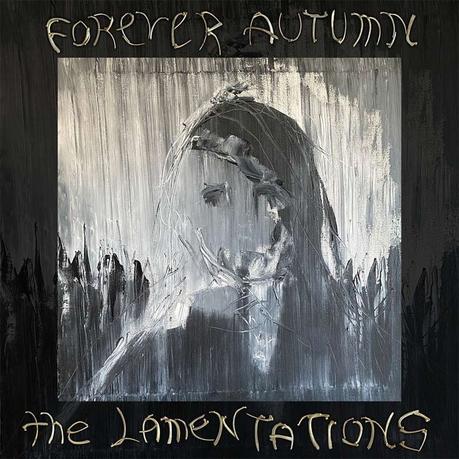
- You are the artist behind the cover art. What atmosphere or visual idea did you seek to capture to lyrically and aesthetically enclose the concept of «The Lamentations»?
The cover art for “the Lamentations” features a piece from a series painted earlier in the year; the Winter Portraits. These a collection of fifteen self-portraits that hjelped me redefine my relationship with paint. This portrait especially, number thirteen, has come to embody the energies of “the Lamentations”. Long have I had one of my self-portrait photos on the covers of my albums. This painting maintains that tradition but departs from the realism of photos to a more interpretive self in all it’s sorrows, reflecting “the Lamentations” in scrapes of paint and pigment. As the album is lauded as more intimate than ever, it felt important to place an intimate portrait on the cover. The script too, sculpted with deer ribs, moves on from a more traditional Black Metal script to something personal and primal, bringing Forever Autumn to a new stage of being.
- Forever Autumn has been weaving compositions since the turn of the millennium. How has the definition of Folk Metal and the Extreme Metal Underground evolved since then, and how does your «Acoustic Extreme Folk» sound position itself within this evolution?
I have seen a lot of change in the Underground in the past twenty-five years. When Forever Autumn first emerged on the scene it was a vastly different place than what we have now. There was a camaraderie swirling through and a lot of support from strange places. It was a tyme of trading demos and written letters, packages sent the world over (when postage was reasonable and required less forms be filled). I fondly recall copying demo tapes and writing out track listings and credits and sending them far and away with handwritten notes and whatever could be cobbled together for “merch” at the tyme. Back then, people were more likely to trade. Perhaps it still happens and it is just I that encounter it less. Yes, I have seen many changes as social media took over and migrated from one platform to the next; the advent of streaming and the difficulties of communicating ease. In a way, the inundation of information haes also made it very difficult to sift through the noise. There was a nexus point, a meeting place, early on in doom-metal.com which was instrumental in early Forever Autumn exposure and a sense of community. Many opportunities came through there. It’s a little funny that from so long ago, there were bands that came up around the same tyme I did and here, twenty five years later, I run into some of the same bands from back then on social media and the like. I remember them and they me, and we form a bond over the breadth of tyme. However, I don’t know that I am a good judge of the scene these days. I have largely drawn in and don’t keep up the same way I did. I’m not sure if that is attributed to age or some other factor. It’s a miracle that I can keep up with the little social media I do. Forever Autumn came up at a strange transitional tyme between the way things were and the way things have become. Similar to film then digital photography, press kits with 8×10 photographs to the EPKs so swirling about the aether these days. I have seen a lot of change and I am doing my best to keep up.
As to how my werke exists within the evolution of the Underground, I fear I am no closer to answering that than decades ago. I remain unsure of my place in the Extreme Metal Underground, but I am happy to be here. I’ve been circling on the outskirts for aeons. The difficulties in finding my place continue, but after all this tyme, it seems that I really do have a one. Forever Autumn fans are widespread but sparse, such that it is difficult to know if you’ve reached anyone, and even moreso to try and gather them together. By now I may be a relic from a bygone era, or perhaps still strangely relevant, but I have spent countless years carving out a mossy and shadowy place within the Underground, with a little fire and exposed, gnarled roots.
- The collaboration with figures like Aaron Stainthorpe underscores a mutual respect between genres. Do you believe Doom Metal is the most permeable genre for these types of emotive fusions with Folk, compared to the more rigid Black Metal?
Long ago I may have thought that the case, after all I have always called Forever Autumn ‘Acoustic Doom’, however with the progress of my werke I have seen how Black Metal crosses over well too. They even call it Pagan Folk and Avant-Garde (I do like those words). The strange thing in all of this is that I’ve never really considered Forever Autumn ‘Folk’. In my mind Forever Autumn haes always been a Metal band. Over the years I have seen the influences of folk musiques in my werke. Not Folk as a genre per se, but that “inherent memory” spoken of above. The influence from traditional musiques seems to be the Folk element. The rigidity of Black Metal to me is only perceived. It is just as dynamic and versatile as any, though Doom is often more emotive, at least people seem to feel more free to express themselves through the vehicle of Doom over Black Metal. The collaborations with Aaron certainly have shown that Doom and Folk work well together. I’ve not worked with any other Black Metal musicians yet, but the genre seems to meld well with the ways of Forever Autumn.
- As an artist residing in the forested highlands of the Berkshires, how much does geography and isolation influence the melancholic tone and inspiration of your music?
I am lucky to be this close to the natural world. It haes and continues to have a heavy influence on my werke, my inspirit, and process. I can wander the woodlands, stumble across bones and other treasures and bring them back for art, energy and influence. The Berkshyres are a beautiful area, though devoid of a lot of the opportunity and diversity that one may find in larger places. We have four seasons here, and the winters can be long, dark and cold. I would not have it any other way. That, perhaps, contributes to the isolation and melancholy of my werke, just as much as this little corner of the world. The season of my namesake is brilliant and bleak here and inspires visitors to come view the wonders. This area is not without it’s challenges and a very difficult and under-appreciative area for something as unique as Forever Autumn. There are few places to perform, especially in regards to the Underground, but the trees and mountains, the waterfalls and rivulets, all influence my werke and not just Forever Autumn.
- The project is a solo endeavor. In a world dominated by multi-member bands, what are the biggest advantages and the most pressing challenges of maintaining a pure artistic vision as a one-person project?
Some of the advantages of working solo are great. Creative freedom is one of those, whilst working on your own schedule is another. It can be difficult, to say the least, to try to get ev’ryone together for band practice. Even just Jon and I playing some olde tunes is difficult to come by. Life moves, warps and wefts, brings new opportunities and leaves others behind. Some disadvantages to working solo are that lack of the band feeling and that togetherness, that sense of belonging you can get from working with others. Working alone I don’t have to worry about someone trying to kick me out of my own band, but you do have to work exponentially harder, with everything. The artistic freedom is worth it, but not without its pitfalls.
- Your previous EP, «Crowned In Skulls», was acclaimed. Are there elements of that work you maintained or intentionally discarded to achieve the more «intimate» nature of «The Lamentations»?
Since “Howls in the Forest at Dusk” I have made a conscious effort to include the more overt influences of Metal into my acoustic work. With each subsequent album, it seems to blend more and more. Now we see “the Lamentations”, a raw and complete portrait, that haes built on the stacked stones of past efforts, yet stands alone in its own sorrow’d solitude. ‘Crowned in Skulls” is a great werke and serves as the prrfect step into “the Lamentations”. Aside from that decision, it is reliant on the organic movement and evolution of my practice. I am pleased to know that “Crowned in Skulls” haes earned its acclaimed status. It is my hope that “the Lamentations”, building on that success, will be received just as well, if not more so.
- You use your voice in a savage and versatile manner. What vocal techniques (traditional folk singing, growls, etc.) did you explore on «The Lamentations» that you hadn’t used before, and what emotion were you aiming to convey?
For the “the Lamentations” I wanted something a little different, something a little more. I have no formal training in any sort of singing or vocal work. I just make do with what I can. For this release I felt compelled to explore a bit more vocally. Vocal exploration and bigger drums were important for this album. I have long considered myself a horrid singer and just plain no-good at it. I’ve been self-conscious of my voice for ages. My range does not seem so great and versatile to me, but over the years of singing, screaming, and chanting, and the compliments after shows or reviews in magazines, I have come to accept and even feel a little proud of my vocal techniques. “The Lamentations” seems to have discarded the lower growls I used to use some previous werkes but finds new life in whispers, huffs, breath and whatever else could describe my vocal expressions. The versatility of such vocals highlights the primal and visceral feelings evoked within.
- Beyond the release of «The Lamentations», are there any plans to take Forever Autumn’s material on a live tour, or does the intimate nature of the music require it to remain a studio project?
I would love to take “the Lamentations” on the road. I do miss performing and feel that Forever Autumn live is a powerful and transformative experience. It would be lovely to share these new songs with so many people in live magick, but there are difficulties. We played the Maryland Folk Metal Festival in 2022, but since then the live line-up haes scattered. People move away and life gets in the way. I have not performed since, but not for lack of trying. Forever Autumn is and always haes been self-funded. Thus limited by financial uncertainties, it remains a far off dream to share this acoustic medicine with all those whom it would most benefit.
- You have worked with cellist Jon McGrath. Is there any other «non-metal» instrument (besides the folk instrumentation already used) that you would like to explore in future works to invoke the intensity of Extreme Metal?
Yes, there are many instruments I would like to set my claws upon. I’ve long wonder’d what it would be like to play a sitar. I played a Turkish baglama once and had a great tyme. I’ve had ideas for bagpipes and piano as well. There are a host of obscure European folk instruments that I probably have not yet heard of, but I bet they would be great to play. To the specificity of contributions to Extreme Metal, I feel that comes with natural exploration of instrument. I am willing to give most things a try.
- If you had to choose a single legend or figure from natural magic that represents the resilience and legacy of the Metal Underground, who would it be and why?
This is a very interesting and difficult question. Resilience and legacy in a single figure? I recall my mythologies and folklore. I puzzle over magick and legend, yet am no closer to finding a single figure to represent the Metal Underground. It is as versatile as are all of we. It nurtures and feeds us like some sort of Earth goddess. It inspires and encourages like the Wind and the Stars. It feeds us fire. It soothes our skin. It cleanses us and accompanies us through the vicissitudes of existence. So many figures and energies dart behind my eyes over the pondering of this question, however the Metal Underground is just as inclusive and diverse as the many folk tales, sagas, eddas, and mythologies spread throughout this world. They come together, in common bonds, with common themes that create the legacy that is the Metal Underground. We are each important figures with valuable contributions, whether you make the musique or just love it, and I thank you for visiting my little corner of the Underground.







 Puzzle Bobble
 Karate Blazers
 Puzzle De Bloques
 Magical Cat Adventure