


(English Below)
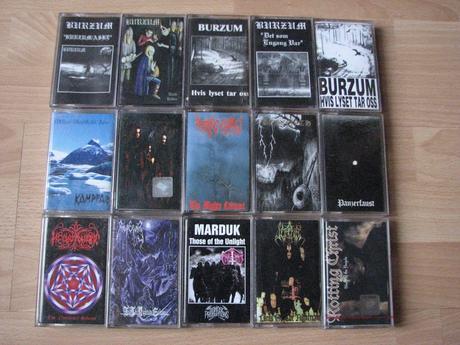
Si hay algo que define la pasión por el metal extremo en su forma más pura es la obsesión por la arqueología sonora. No me refiero a los álbumes que están en Spotify, sino a esa materia gris, la prehistoria del género: los demos olvidados, los rehearsals perdidos y las grabaciones piratas de conciertos que definieron el underground. Para mí, como coleccionista y cronista, la búsqueda del «Archivo Perdido» no es solo un hobby; es una misión por preservar la historia cruda y sin pulir de nuestra música.
He pasado incontables horas rastreando fanzines descoloridos, intercambiando correos electrónicos con viejos tape traders en el anonimato digital y navegando por rincones oscuros de Internet, tratando de descifrar el legado de esas cintas que, en su día, se intercambiaban por correo con un puñado de sellos y una nota escrita a mano.
I. La importancia histórica del Demo Tape
Para entender por qué estas grabaciones son el Santo Grial de nuestro género, hay que entender el contexto de finales de los 80 y principios de los 90. Antes de Internet y del Digital Audio Workstation (DAW), el demo tape era la única forma de expresión para una banda.
-
Distribución: Los demos eran a menudo grabados en equipos de 4 u 8 pistas en sótanos o salas de ensayo. Se copiaban a mano en cintas de cassette (cromo o normal, a menudo TDK o Maxell) y se distribuían únicamente a través de la red global de tape trading y un puñado de fanzines como Slayer Mag o Isten.
-
La intención: Estas demos capturan el momento más caótico y puro de la banda, antes de que el sello, la producción o el marketing pulieran su sonido. Muestran a la banda antes de que supiera quién sería.
El valor de una demo de Morbid Angel de 1986 o de Mayhem de 1987 no es solo musical; es documental. Contienen riffs embrionarios que luego evolucionaron, o versiones de canciones con letras diferentes, que ofrecen una visión única de su proceso creativo.

II. Casos emblemáticos y archivos míticos
Existen grabaciones que se han convertido en leyendas urbanas, cuya existencia ha sido confirmada, pero cuya calidad o acceso completo sigue siendo casi imposible.
La primera oleada noruega: Mayhem y su «Deathcrush Rehearsal»
En la mitología del Black Metal noruego, más allá de la demo «Pure Fucking Armageddon», existen grabaciones de ensayos extremadamente raras que circulan únicamente entre coleccionistas de alto nivel.
-
El mítico hallazgo: Hablo de rehearsals de 1989-1990 con Dead (voces) y Euronymous (guitarra). El sonido es pobre, sí, pero documentan la génesis de la ideología y el sonido que definiría el Black Metal. La dificultad de encontrarlos reside en que fueron copias de tercera o cuarta generación, y las originales se destruyeron o se perdieron. La comunidad anhela el máster limpio de estas cintas para desentrañar por completo los orígenes de esa furia.
El Death Metal americano: El primer sonido de Florida
En Florida, donde nació el Death Metal técnico, las grabaciones perdidas de las bandas precursoras son invaluables.
-
Data de Tampa: Los demos de Atheist (cuando se llamaban R.A.V.A.G.E.) o los primeros rehearsals de Obituary (cuando se llamaban Xecutioner) en el garage de la familia Tardy, son esenciales para trazar el árbol genealógico del género. Esas grabaciones definieron el sonido de Morrisound Studios antes de que el estudio se convirtiera en un nombre familiar. Solo unas pocas copias de estas cintas sobrevivieron, y su estado de conservación es un desafío constante.
III. El rol del arqueólogo digital
La figura clave en la recuperación de este archivo perdido es el «arqueólogo sonoro» o coleccionista especializado. Hablando con ellos, aprendí que la búsqueda no es solo sobre música, sino sobre transferencia de datos y preservación.
«El 90% de mi trabajo es luchar contra la degradación. Una cinta magnética de 40 años se desmagnetiza. Si no se transfiere correctamente en un equipo de alta calidad, esa historia se pierde para siempre. No se trata solo de subirlo a YouTube; se trata de preservar el máster digital de la mejor calidad posible.»
— (Testimonio basado en la experiencia de archivistas de fanzines y tape traders legendarios).
El proceso es meticuloso:
-
Localización: Encontrar una copia de la cinta original (casi siempre en Europa del Este o América del Sur).
-
Adquisición/Acuerdo: Convencer al coleccionista de que libere o permita la digitalización.
-
Digitalización profesional: Usar un deck de casete de alta gama (a menudo restaurado) para asegurar la velocidad constante y la calidad de la señal, convirtiendo el analógico en formato WAV sin compresión.
-
Limpieza: Aplicar mínima restauración digital para eliminar hiss o wow and flutter, sin alterar la crudeza original.
IV.El archivo perdido es nuestro origen
La «Tiranía del Underground» que discutimos antes exige la crudeza. Y no hay nada más crudo que una demo de 1989. El archivo perdido es el verdadero manifiesto del metal extremo: es la música creada por músicos jóvenes que no tenían dinero, ni estudio, ni expectativas comerciales.
Mi viaje por la historia del metal me ha enseñado que el disco más valioso no es el que vendió más copias, sino aquel que contiene la chispa fundacional, ese momento de caos puro capturado en una cinta TDK. El archivo perdido no solo es música rara; es la prueba irrefutable de nuestro origen. Y mientras haya coleccionistas dispuestos a sumergirse en la oscuridad de los archivos, la prehistoria de nuestro género estará a salvo.
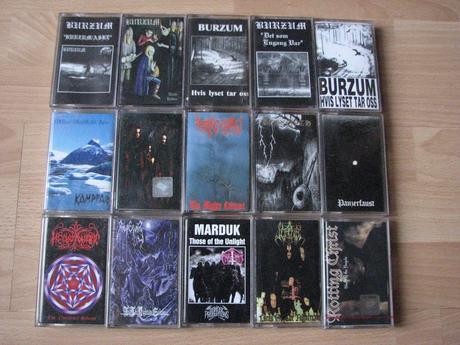
If there is one thing that defines the passion for extreme metal in its purest form, it is the obsession with sonic archaeology. I’m not referring to the albums on Spotify, but to that gray matter, the prehistory of the genre: the forgotten demos, the lost rehearsals, and the bootleg live recordings that defined the underground. For me, as a collector and chronicler, the search for the «Lost Archive» is not just a hobby; it is a mission to preserve the raw, unpolished history of our music.
I have spent countless hours tracking down faded fanzines, exchanging emails with old tape traders in digital anonymity, and navigating dark corners of the internet, trying to decipher the legacy of those tapes that, in their day, were exchanged by mail with a handful of stamps and a handwritten note.
I. The historical importance of the Demo Tape
To understand why these recordings are the Holy Grail of our genre, one must understand the context of the late ’80s and early ’90s. Before the internet and the Digital Audio Workstation (DAW), the demo tape was the only form of expression for a band.
-
Distribution: Demos were often recorded on 4- or 8-track equipment in basements or rehearsal rooms. They were copied by hand onto cassette tapes (chrome or normal, often TDK or Maxell) and distributed solely through the global network of tape trading and a handful of fanzines like Slayer Mag or Isten.
-
The intent: These demos capture the band’s most chaotic and pure moment, before the label, production, or marketing polished their sound. They show the band before it knew who it would become.
The value of a Morbid Angel demo from 1986 or a Mayhem demo from 1987 is not just musical; it is documentary. They contain embryonic riffs that later evolved, or versions of songs with different lyrics, offering a unique insight into their creative process.
II. Emblematic cases and mythical archives
There are recordings that have become urban legends, whose existence has been confirmed, but whose quality or full access remains almost impossible.
The first Norwegian wave: Mayhem and its «Deathcrush Rehearsal»
In the mythology of Norwegian Black Metal, beyond the «Pure Fucking Armageddon» demo, there are extremely rare rehearsal recordings that circulate only among high-level collectors.
-
The mythical find: I’m talking about 1989–1990 rehearsals featuring Dead (vocals) and Euronymous (guitar). The sound is poor, yes, but they document the genesis of the ideology and sound that would define Black Metal. The difficulty in finding them lies in the fact that they were third or fourth-generation copies, and the originals were destroyed or lost. The community longs for the clean master of these tapes to fully unravel the origins of that fury.
American Death Metal: The first Florida sound
In Florida, where technical Death Metal was born, the lost recordings of precursor bands are invaluable.
-
Tampa Data: The demos of Atheist (when they were called R.A.V.A.G.E.) or the early rehearsals of Obituary (when they were called Xecutioner) in the Tardy family garage, are essential for tracing the genre’s family tree. These recordings defined the sound of Morrisound Studios before the studio became a household name. Only a few copies of these tapes survived, and their state of preservation is a constant challenge.
III. The role of the digital archaeologist
The key figure in the recovery of this lost archive is the «sonic archaeologist» or specialized collector. Speaking with them, I learned that the search is not just about music, but about data transfer and preservation.
«90% of my job is fighting degradation. A 40-year-old magnetic tape demagnetizes. If it’s not transferred correctly on high-quality equipment, that history is lost forever. It’s not just about uploading it to YouTube; it’s about preserving the best possible quality digital master.»
— (Testimony based on the experience of fanzine archivists and legendary tape traders).
The process is meticulous:
-
Location: Finding a copy of the original tape (almost always in Eastern Europe or South America).
-
Acquisition/Agreement: Convincing the collector to release or allow digitization.
-
Professional digitization: Using a high-end cassette deck (often restored) to ensure constant speed and signal quality, converting the analog to uncompressed WAV format.
-
Cleaning: Applying minimal digital restoration to eliminate hiss or wow and flutter, without altering the original rawness.
IV. The lost archive is our origin
The «Tyranny of the Underground» we discussed earlier demands rawness. And there is nothing rawer than a 1989 demo. The lost archive is the true manifesto of extreme metal: it is the music created by young musicians who had no money, no studio, and no commercial expectations.
My journey through metal history has taught me that the most valuable record is not the one that sold the most copies, but the one that holds the foundational spark, that moment of pure chaos captured on a TDK tape. The lost archive is not just rare music; it is irrefutable proof of our origin. And as long as there are collectors willing to delve into the darkness of the archives, the prehistory of our genre will be safe.







 Puzzle Bobble
 Karate Blazers
 Puzzle De Bloques
 Magical Cat Adventure