


(English Below)
Para mí, 1985 es el año donde las primeras líneas de batalla del metal extremo quedaron claramente dibujadas. Los pioneros de 1983-1984 cimentaron sus sonidos y las nuevas bandas emergieron para empujar los límites de la velocidad, la técnica y, sobre todo, la maldad. La calidad de la producción, aunque variada, empezó a mejorar, dándole a la música el peso y la pegada que merecía.
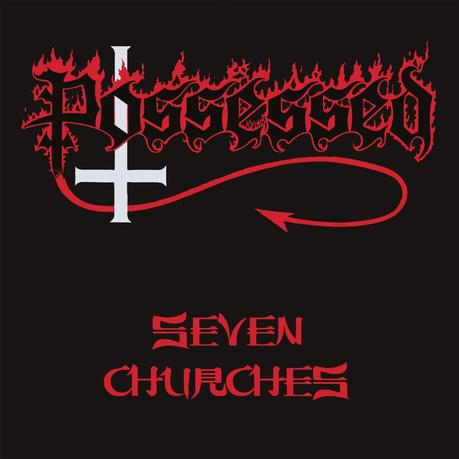
Possessed – «Seven Churches»
-
Sonido y Producción: Considero que este álbum es la definición misma del nacimiento del Death Metal. La producción, a cargo de Randy Burns, es densa y cruda, pero permite apreciar la furia. Es más rápido y brutal que el thrash de la época, con riffs disonantes y la voz gutural de Jeff Becerra que, para mí, bautizó el género. Es una mezcla perfecta entre el thrash de la Bahía y la oscuridad satánica.
-
Crítica del Momento: Fue un shock sónico. Aunque los fans del thrash más duro lo adoptaron, la crítica mainstream se quedó perpleja ante su velocidad implacable y su oscuridad lírica explícita. En el underground, fue aclamado como el sucesor de Venom y Slayer, pero llevando la agresión a un nuevo nivel. Es un álbum que cambió el juego para siempre.
Sepultura – «Bestial Devastation» (EP)

-
Sonido y Producción: Este EP, a menudo lanzado junto a Século XXI, es un documento seminal del Death/Thrash Metal en América del Sur. La producción es notoriamente lo-fi y caótica, grabada en condiciones limitadas. Sin embargo, esta crudeza solo amplifica la sensación de peligro y rabia. El sonido es abrasivo, influenciado por Venom y Hellhammer, y sentó las bases para el death metal brasileño.
-
Crítica del Momento: Fuera de Brasil, circuló en el circuito de tape-trading y fue inmediatamente reconocido como una de las voces más crudas y brutales de la escena global. Aunque su técnica era primitiva, la intensidad y la malicia lírica eran innegables. Para mí, fue un aviso de la fuerza que sería Sepultura.
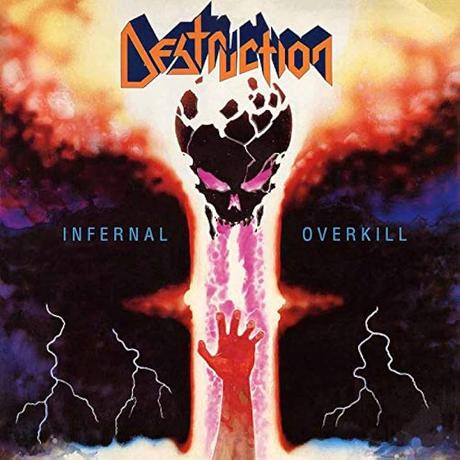
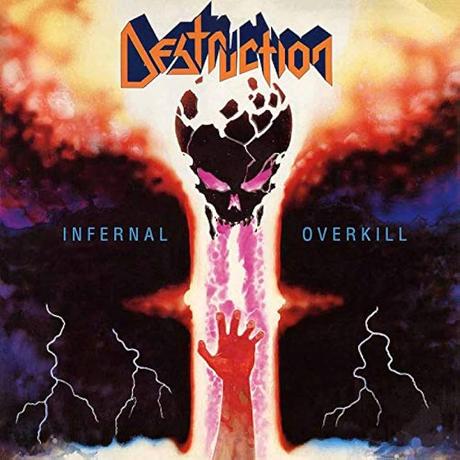
Destruction – «Infernal Overkill»
-
Sonido y Producción: El debut de larga duración de los alemanes consolidó el sonido del «Teutonic Thrash». La producción es mucho más pulida que su EP del 84, dándole más cuerpo a sus riffs punzantes. Es una ráfaga de velocidad y técnica, con la guitarra de Mike Sifringer siendo quirúrgica en su agresión. Conserva la crudeza y el growl agresivo que lo acercan al metal extremo.
-
Crítica del Momento: Fue aclamado como un pilar del thrash europeo, rivalizando con los debuts americanos. Fue visto como una banda con una visión oscura y un virtuosismo enfocado en la velocidad. Para mí, este álbum es una demostración de cómo el thrash se diversificaba en subgéneros regionales.
Megadeth – «Killing Is My Business… and Business Is Good!»

-
Sonido y Producción: El debut de Dave Mustaine es un álbum de Thrash Metal que empuja los límites de la técnica y la rabia. Aunque la producción es notoriamente deficiente (la banda odió la mezcla final), la calidad de las composiciones es innegable. Es un torbellino de riffs complejos, solos frenéticos y un enfoque vocal lleno de desprecio. Su velocidad y complejidad lo colocan firmemente en el lado extremo del thrash.
-
Crítica del Momento: Fue visto como el rival directo de Metallica, un álbum más técnico, cínico y rápido. A pesar de los problemas de sonido, la prensa underground reconoció el virtuosismo y la intensidad pura del disco.
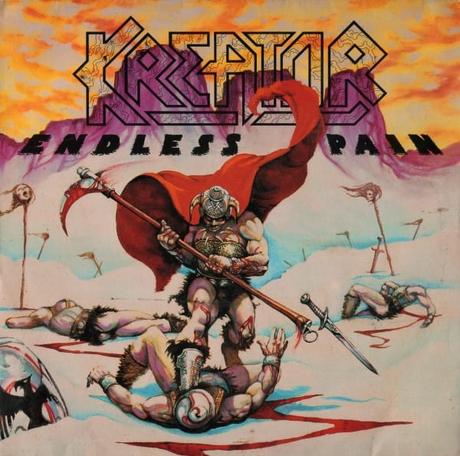
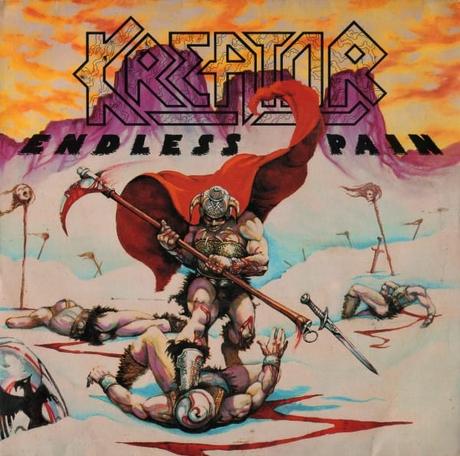
Kreator – «Endless Pain»
-
Sonido y Producción: El debut de Kreator es puro caos y velocidad. La producción es ruidosa y cruda, con un sonido de batería muy cavernoso. Es un asalto constante de riffs de Death/Thrash primitivo. La voz de Mille Petrozza es un scream abrasivo, que, junto con la velocidad de la batería, hace que el álbum roce el límite del Death Metal más temprano.
-
Crítica del Momento: Fue un manifiesto de la brutalidad alemana. Se vio como la banda más rápida y agresiva de Europa en ese momento. Fue vital en el circuito de tape-trading, cimentando la reputación alemana de crear música sin concesiones.
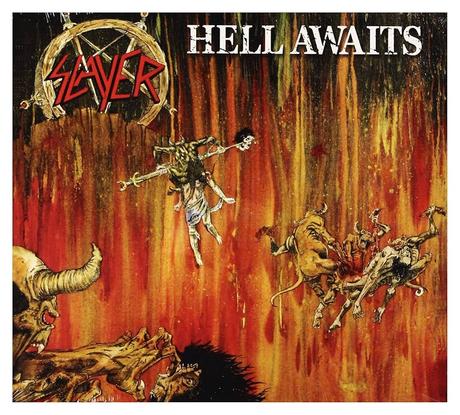
Slayer – «Hell Awaits»
-
Sonido y Producción: Slayer evolucionó de la velocidad pura a la malicia estructural. La producción de este álbum es densa, oscura y con mucha reverberación, creando una atmósfera ominosa. Las canciones son más largas, los riffs son más disonantes y los cambios de tempo son más dramáticos. Es la prueba de que el thrash puede ser tan atmosférico como brutal.
-
Crítica del Momento: Fue un éxito de culto instantáneo. Los fans lo adoraron por su intensidad y su temática abiertamente satánica y de horror. Yo lo consideré el álbum que terminó de definir a Slayer como una fuerza única, influyendo directamente en el Death Metal melódico y atmosférico que surgiría más tarde.
Celtic Frost – «To Mega Therion»

-
Sonido y Producción: El primer álbum de larga duración de Celtic Frost es una obra maestra de la experimentación y la pesadez extrema. La producción de Harris Johns es un gran salto cualitativo respecto a sus EPs, dándoles un sonido épico y monolítico. Combina Thrash/Death con influencias operísticas y riffs pesados y lentos. La guitarra de Tom G. Warrior es disonante y oscura.
-
Crítica del Momento: Fue un disco divisivo, pero visionario. Su uso de instrumentos de viento y voces femeninas fue inusual para el metal extremo, pero la brutalidad del sonido base convenció al underground. Se vio como un disco que demostraba que el metal extremo podía ser vanguardista y artístico, sin perder su peso.
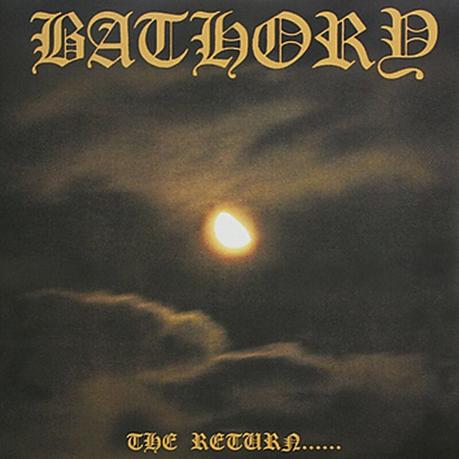
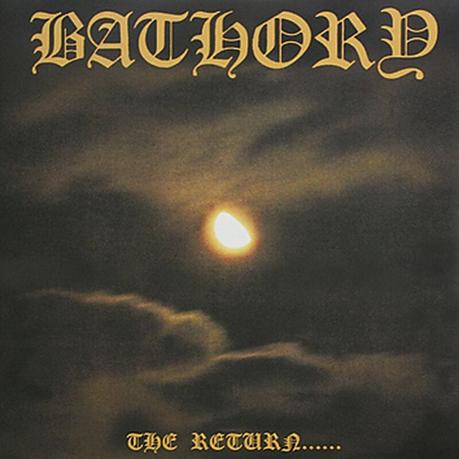
Bathory – «The Return……»
-
Sonido y Producción: El segundo álbum de Bathory es una consolidación de su sonido lo-fi y proto-Black Metal. La producción es todavía cruda y cargada de reverb, pero las composiciones son más enfocadas y atmosféricas que en su debut. Quorthon se adentra más en la temática satánica y la furia caótica, marcando una clara línea entre el thrash y el Black Metal europeo.
-
Crítica del Momento: En el underground europeo, reforzó el estatus de Bathory como la banda más oscura y malvada. La prensa reconoció que, aunque el sonido era sucio, la intención era pura agresión. Es un pilar ineludible de la segunda ola de Black Metal que surgiría años después.
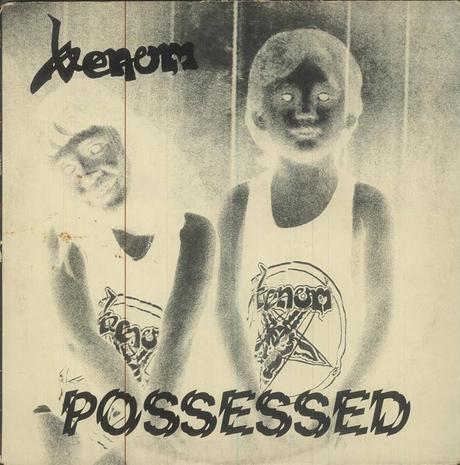
Venom – «Possessed»
-
Sonido y Producción: Aunque es visto a menudo como el último de la trilogía original de Venom, «Possessed» mantiene la crudeza lo-fi y el espíritu del proto-Black Metal. La producción es deliberadamente ruidosa y caótica. La banda sigue tocando ese speed metal con riffs simples y letras blasfemas, manteniendo la actitud punk que tan crucial fue para el sonido extremo.
-
Crítica del Momento: Aunque algunos críticos sintieron que la banda se estaba estancando, los fans de la primera ola de black metal y thrash siguieron viendo en Venom al padre del caos. El álbum es un recordatorio de que la crudeza de la producción era un fin en sí mismo.
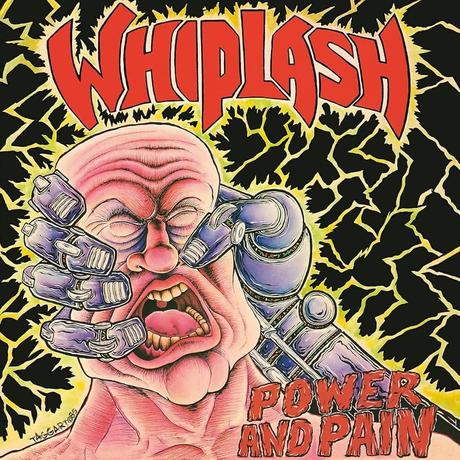
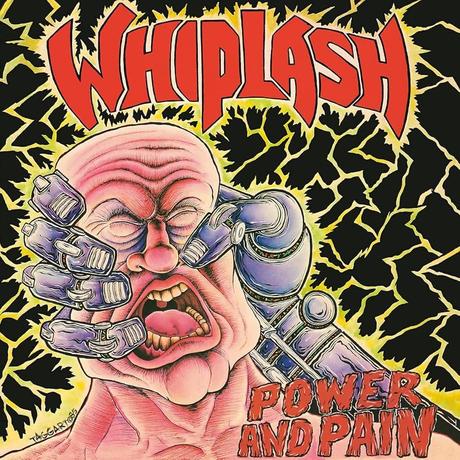
Whiplash – «Power and Pain»
-
Sonido y Producción: El debut de estos neoyorquinos es un ejemplo feroz del Thrash Metal de la Costa Este. La producción es cruda y directa, centrándose en la velocidad y los riffs punzantes. Es un álbum de riffs sin aliento y cambios de ritmo frenéticos que demuestran una clara influencia del hardcore punk en su intensidad, lo que lo coloca en el extremo más rápido del thrash.
-
Crítica del Momento: Fue un favorito en el circuito de tape-trading y un álbum esencial para la escena de Nueva York. Fue valorado por su energía desenfrenada y su negativa a comprometer la velocidad. Un álbum que, en mi opinión, merece más reconocimiento por su contribución a la evolución del thrash más extremo.
Para mí, 1985 demostró que el metal extremo había llegado para quedarse. Los álbumes de este año no solo son clásicos, sino manuales de instrucciones sobre cómo hacer música más rápida, pesada y oscura. Es un legado sónico que reverenciamos hoy.
For me, 1985 is the year where the first battle lines of extreme metal were clearly drawn. The pioneers of 1983–1984 cemented their sounds, and new bands emerged to push the boundaries of speed, technique, and, above all, evil. Production quality, though varied, began to improve, giving the music the weight and punch it deserved.
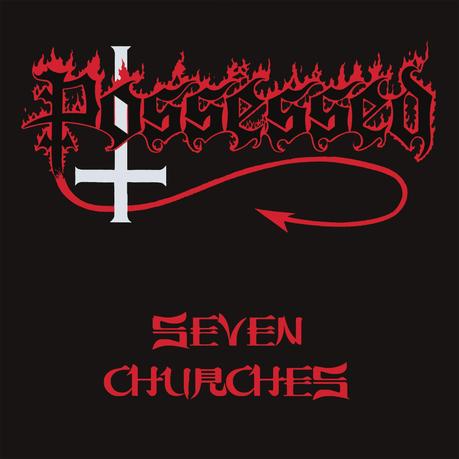
Possessed – «Seven Churches»
-
Sound and Production: I consider this album the very definition of the birth of Death Metal. The production, by Randy Burns, is dense and raw, yet it allows the fury to be appreciated. It is faster and more brutal than the thrash of the time, featuring dissonant riffs and Jeff Becerra’s guttural voice that, for me, christened the genre. It’s a perfect blend of Bay Area thrash and satanic darkness.
-
Contemporary Reception: It was a sonic shock. Although harder thrash fans adopted it, the mainstreamcritics were perplexed by its relentless speed and explicit lyrical darkness. In the underground, it was hailed as the successor to Venom and Slayer, but taking aggression to a new level. It’s an album that changed the game forever.
Sepultura – «Bestial Devastation» (EP)
-
Sound and Production: This EP, often released alongside Século XXI, is a seminal document of Death/Thrash Metal in South America. The production is notoriously lo-fi and chaotic, recorded under limited conditions. However, this rawness only amplifies the sense of danger and rage. The sound is abrasive, influenced by Venom and Hellhammer, and laid the groundwork for Brazilian death metal.
-
Contemporary Reception: Outside of Brazil, it circulated in the tape-trading circuit and was immediately recognized as one of the rawest and most brutal voices on the global scene. Although their technique was primitive, the intensity and lyrical malice were undeniable. For me, it was a warning of the force that Sepultura would become.
Destruction – «Infernal Overkill»
-
Sound and Production: The full-length debut by the Germans consolidated the sound of «Teutonic Thrash.» The production is much cleaner than their ’84 EP, giving more body to their biting riffs. It is a burst of speed and technique, with Mike Sifringer’s guitar being surgical in its aggression. It retains the rawness and aggressive growl that places it close to extreme metal.
-
Contemporary Reception: It was acclaimed as a pillar of European thrash, rivaling the American debuts. It was viewed as a band with a dark vision and a virtuosity focused on speed. For me, this album is a demonstration of how thrash was diversifying into regional subgenres.
Megadeth – «Killing Is My Business… and Business Is Good!»

-
Sound and Production: Dave Mustaine‘s debut is a Thrash Metal album that pushes the boundaries of technique and rage. Although the production is notoriously flawed (the band hated the final mix), the quality of the compositions is undeniable. It is a whirlwind of complex riffs, frantic solos, and a vocal delivery full of contempt. Its speed and complexity place it firmly on the extreme side of thrash.
-
Contemporary Reception: It was seen as the direct rival to Metallica, an album that was more technical, cynical, and faster. Despite the sound issues, the underground press recognized the virtuosity and pure intensity of the record.
Kreator – «Endless Pain»
-
Sound and Production: Kreator‘s debut is pure chaos and speed. The production is noisy and raw, with a very cavernous drum sound. It is a constant assault of primitive Death/Thrash riffs. Mille Petrozza’s voice is an abrasive scream, which, along with the drumming speed, pushes the album to the limit of the earliest Death Metal.
-
Contemporary Reception: It was a manifesto of German brutality. It saw it as the fastest and most aggressive band in Europe at that time. It was vital in the tape-trading circuit, cementing the German reputation for creating uncompromising music.
Slayer – «Hell Awaits»

-
Sound and Production: Slayer evolved from pure speed to structural malice. The production of this album is dense, dark, and heavily reverberated, creating an ominous atmosphere. The songs are longer, the riffs are more dissonant, and the tempo changes are more dramatic. It is proof that thrash can be as atmospheric as it is brutal.
-
Contemporary Reception: It was an instant cult hit. Fans adored it for its intensity and its overtly Satanic and horror themes. I considered it the album that ultimately defined Slayer as a unique force, directly influencing the melodic and atmospheric Death Metal that would emerge later.
Celtic Frost – «To Mega Therion»
-
Sound and Production: Celtic Frost‘s first full-length album is a masterpiece of experimentation and extreme heaviness. The production by Harris Johns is a huge leap in quality from their EPs, giving them an epic and monolithic sound. It combines Thrash/Death with operatic influences and slow, heavy riffs. Tom G. Warrior‘s guitar is dissonant and dark.
-
Contemporary Reception: It was a divisive, but visionary, record. Its use of brass instruments and female vocals was unusual for extreme metal, but the brutality of the core sound won over the underground. It saw it as a record that proved extreme metal could be avant-garde and artistic without losing its heaviness.
Bathory – «The Return……»
-
Sound and Production: Bathory‘s second album is a consolidation of their lo-fi and proto-Black Metal sound. The production is still raw and laden with reverb, but the compositions are more focused and atmospheric than on their debut. Quorthon delves further into Satanic themes and chaotic fury, drawing a clear line between European thrash and Black Metal.
-
Contemporary Reception: In the European underground, it reinforced Bathory’s status as the darkest and most evil band. The press recognized that, although the sound was dirty, the intent was pure aggression. It is an unavoidable pillar of the second wave of Black Metal that would emerge years later.
Venom – «Possessed»
-
Sound and Production: Although often seen as the last of Venom‘s original trilogy, Possessed maintains the lo-fi rawness and the spirit of proto-Black Metal. The production is deliberately noisy and chaotic. The band continues to play that speed metal with simple riffs and blasphemous lyrics, maintaining the punkattitude that was so crucial to the extreme sound.
-
Contemporary Reception: While some critics felt the band was stagnating, fans of the first wave of black metal and thrash continued to see Venom as the father of chaos. The album is a reminder that the rawness of the production was an end in itself.
Whiplash – «Power and Pain»
-
Sound and Production: The debut from these New Yorkers is a fierce example of East Coast Thrash Metal. The production is raw and direct, focusing on speed and biting riffs. It is an album of breathless riffing and frantic tempo changes that demonstrate a clear influence from hardcore punk in its intensity, placing it on the faster edge of thrash.
-
Contemporary Reception: It was a favorite in the tape-trading circuit and an essential album for the New York scene. It was valued for its unrestrained energy and its refusal to compromise on speed. An album that, in my opinion, deserves more recognition for its contribution to the evolution of the most extreme thrash.
For me, 1985 proved that extreme metal was here to stay. The albums from this year are not just classics, but instruction manuals on how to make music faster, heavier, and darker. It is a sonic legacy that we revere today.







 Comecocos
 Karate Blazers
 Magical Cat Adventure
 Nostradamus