


Ultimamente se observa en los análisis escritos sobre edificios verticales, que al momento de destacar sus cualidades hacen una enfatizada alusión a la altura que alcanza, dejando implícito que el hecho de ser el más alto de la ciudad, país o mundo, tiene un valor suficiente que lo exime de cualquier otro análisis.
A diferencia de otras artes, la arquitectura crea espacios habitables que generan sensaciones empáticas, subyacentes. Un edificio, de cualquier característica, teje el perfil urbano, construye la ciudad.
Sin la perspectiva que ofrece la visión a distancia, el aporte a nivel del suelo de edificios de gran altura no es atrayente y más aún cuando genera un contraste en un perfil consolidado de baja o mediana escala. Por el contrario, en estos casos las torres dejan secuelas que la ciudad difícilmente pueda superar.
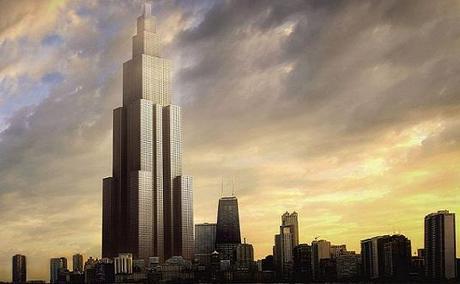
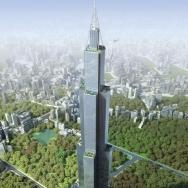
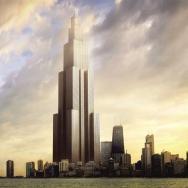
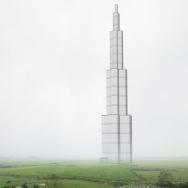
En un mismo sentido, es oportuno reflexionar sobre la conveniencia de vivir o trabajar a 300, 400 o 500 metros del suelo. Las imágenes del Sky City Tower son por demás elocuentes. La vista a un horizonte infinito es un punto de alta valoración estética, pero aleja al espectador de referencias cotidianas, lo aísla de su entorno, confinándolo a un espacio limitado, aislado de cualquier contacto visual con la ciudad que habita. La tentación de llegar más alto destruye la idea de arquitectura.
Me pregunto si construir el edificio más alto resulta un merito del arquitecto o una demostración de poder de la empresa que lo patrocina. Quizás ambas cosas. Lo concreto es que se trata de un hecho perecedero, provisional, de irrelevante valor, porque detrás vendrá alguien que hará otro edificio más alto que éste.
Lo que no es perecedero, afortunadamente, y siempre puede ofrecer otra solución, es la arquitectura.
Marcelo Gardinetti, 2012©
Fotografías: ©Broad Sustainable Building company
TECNNE | Arquitectura + contextos
English version
It has long been observed in the analysis writings on vertical buildings, that when you highlight your qualities, emphasized making a reference to how high, implying that the fact of being the tallest in the city, country or world, has a value sufficient to relieve them from any further analysis.
In contrast to other arts, architecture creates livable spaces that generate empathic feelings, underlying. A building of any feature, weave the skyline, built the city.
Without the perspective offered distance vision, the contribution of ground-level high rise buildings is not attractive and even more so when you generate a contrast in a consolidated profile of low or medium scale. On the contrary, in these cases the towers leave sequels that the city can hardly overcome.
In a sense, it is timely to reflect on the desirability of live or work at 300, 400 or 500 feet above the ground. Images of the Sky City Tower speak for themselves. The view to an infinite horizon is a point of high aesthetic value, but moves away the viewer reference, it insulates of their environment, confining him to a limited space, isolated from any eye contact with the city he inhabits. The temptation to reach higher kills the idea of architecture.
I wonder whether to build the tallest building is a merit of the architect or a demonstration of power of the company sponsoring it. Maybe both. Concrete thing is that it is a fact perishable Provisional the value irrelevant, for behind someone will come and will do another building taller than this.
What is not perishable, fortunately, and it can always offer another solution, is the architecture.






 Puzzle Bobble
 Karate Blazers
 Puzzle De Bloques
 Magical Cat Adventure