


(English Below)
Ficha Técnica
- Artista: Golgotha
- Álbum: «Hubris»
- Sello: Abstract Emotions
- Fecha de Lanzamiento: 24 de abril de 2026
- Género: Melodic Doom/Death Metal
- Para fans de: Candlemass | Novembers Doom | Paradise Lost | My Dying Bride
Hay discos que se escuchan y discos que se atraviesan. «Hubris», el nuevo trabajo de Golgotha, pertenece sin duda a esta segunda categoría. No es un álbum pensado para el consumo distraído ni para funcionar como simple acompañamiento: exige atención, tiempo y, sobre todo, una cierta disposición emocional. Desde la primera escucha tuve la sensación de estar ante una obra profundamente personal, incómoda por momentos, honesta hasta el desgarro, y marcada por una necesidad casi vital de transformar experiencias reales en sonido. Aquí no hay conceptos grandilocuentes ni metáforas vacías: hay vida, caída, pérdida y reconstrucción.
Golgotha venía de un disco como «Spreading the Wings of Hope», un álbum que ya mostraba a una banda madura dentro del melodic doom/death metal, capaz de combinar pesadez, melodía y una sensibilidad emocional muy particular. Sin embargo, «Hubris» no es una continuación cómoda ni previsible. Es, en muchos sentidos, un paso hacia terrenos más oscuros, más ásperos y menos complacientes. La propia banda lo ha dejado claro: estas canciones no nacen de la ficción, sino de fragmentos de vida real convertidos en música. Y esa declaración no es un recurso promocional; se siente en cada riff, en cada cambio de dinámica, en cada línea vocal.
El texto que acompaña conceptualmente al álbum —esa caída desde la comodidad, la inconsciencia y la autoafirmación hasta el choque brutal con la realidad— funciona como una clave de lectura fundamental. «Hubris» es un disco sobre el exceso de confianza, sobre creer que el mundo está hecho para sostenerte siempre, hasta que deja de hacerlo. La imagen de las alas ardiendo mientras uno sigue volando, convencido de que el fuego es un adorno más, resume de forma magistral el espíritu del álbum. Y cuando llega la caída, Golgotha no la edulcora: la muestra como un impacto seco, violento, transformador.
Musicalmente, el disco se mueve dentro de los márgenes del melodic doom/death metal, pero los estira con inteligencia. Las referencias a bandas como Paradise Lost, My Dying Bride o Novembers Doom son evidentes, especialmente en el uso de tempos lentos, riffs densos y atmósferas cargadas de melancolía. Sin embargo, Golgotha no se limitan a reproducir fórmulas conocidas. Hay una voluntad clara de contraste, de tensión constante entre lo bello y lo devastador, entre la delicadeza y la brutalidad.
El álbum se abre con “A Simple Life”, primer single y, a mi juicio, una de las piezas más valientes del disco. Comenzar con la voz limpia y expuesta de María J. Lladó es una decisión arriesgada, pero absolutamente acertada. No hay muro de guitarras inicial ni explosión inmediata: hay vulnerabilidad. Esa entrada casi desnuda actúa como un imán emocional, obligando al oyente a prestar atención antes de que el peso completo del sonido de Golgotha caiga sobre él. Cuando lo hace, el contraste es demoledor. La canción fluye con una naturalidad hipnótica, y su estribillo se queda grabado no por ser pegadizo en un sentido convencional, sino por la carga emocional que arrastra.
Uno de los grandes aciertos de «Hubris» es cómo la banda maneja las dinámicas internas de cada tema. “Broken Toy” es un ejemplo perfecto de ello. El tema se construye sobre riffs gigantescos, lentos, casi aplastantes, acompañados por voces guturales profundas y monstruosas. Sin embargo, Golgotha saben cuándo retirar la fuerza bruta y dejar espacio a la introspección. Cuando María entra con sus registros limpios y emotivos, la canción se transforma, revelando una fragilidad que convive de forma natural con la agresión previa. Esta dualidad —lo negro y lo bello, lo roto y lo humano— es uno de los pilares de «Hubris».
A lo largo del disco, la alternancia entre voces harsh y limpias no se siente como un simple recurso estilístico, sino como una herramienta narrativa. Andrew Spinoza aporta unas voces duras que encarnan la rabia, el resentimiento y el dolor más primario, mientras que María representa la parte más introspectiva, melancólica y vulnerable. Lejos de competir entre sí, ambas facetas se complementan y se potencian, creando un diálogo constante que refuerza el carácter emocional del álbum.
“Too Late” profundiza en esta idea desde una perspectiva distinta. El tema se arrastra en un tempo lento, casi ceremonial, con un enfoque muy marcado hacia el death/doom más clásico. Durante buena parte de la canción, la atmósfera es opresiva, oscura, como si no hubiera salida posible. Y entonces llega el estribillo melódico, una especie de luz pálida que se filtra entre las grietas. No es una redención plena ni un final feliz, sino más bien un recordatorio de que incluso en la oscuridad más densa existe la posibilidad de sentir algo distinto. El solo de guitarra que aparece más adelante es breve pero intenso, un estallido de emoción en medio del peso constante.
“Blind” es, para mí, uno de los puntos álgidos del disco. Hay algo profundamente solemne en esta canción, algo que recuerda a un funeral majestuoso, como si se estuviera despidiendo no solo a una persona, sino a una versión anterior de uno mismo. La frase “I became just an echo…” resume a la perfección ese sentimiento de disolución de la identidad tras la caída. Musicalmente, el tema destaca por su equilibrio: pesado sin ser monótono, melódico sin perder gravedad, emotivo sin caer en el exceso.
El tramo final del álbum mantiene el nivel con una coherencia admirable. Lejos de agotarse, «Hubris» parece ganar peso emocional a medida que avanza. El cierre con “Intolerance” es especialmente efectivo. Aquí Golgotha plantean una especie de conflicto musical entre la nobleza del dolor asumido y la herida aún abierta del sufrimiento. Las guitarras se mueven entre riffs sombríos y pasajes más atmosféricos, mientras la base rítmica sostiene todo con una solidez incuestionable. Es un final que no busca resolver ni cerrar del todo, sino dejar al oyente en un estado de reflexión incómoda, pero honesta.
La producción juega un papel clave en el impacto del disco. Para «Hubris», Golgotha han contado con Davide Billia, conocido por su trabajo con bandas como Antropofagus, Beheaded o Posthuman Abomination. Su aportación es evidente. El sonido del álbum es denso, orgánico y poderoso, pero nunca confuso. Cada instrumento tiene su espacio, incluso en los momentos más cargados, y la producción consigue transmitir una sensación de crudeza emocional sin sacrificar claridad. No hay sobreproducción ni pulido artificial: «Hubris» suena humano, imperfecto y, por ello mismo, más creíble.
A nivel instrumental, el trabajo de Vicente J. Paya y Dan Garcia en las guitarras es sobresaliente. Los riffs no buscan el virtuosismo vacío, sino el impacto emocional. Hay un uso muy inteligente de las armonías y de los silencios, algo fundamental en un género donde el exceso puede diluir la intensidad. La sección rítmica, con Rafel Garcies a la batería, aporta un pulso firme y contenido, sabiendo cuándo empujar y cuándo retirarse para dejar respirar a las canciones.
Es imposible no destacar el papel de María J. Lladó en este disco. Su interpretación vocal no solo aporta contraste, sino que se convierte en uno de los ejes emocionales del álbum. Sus registros limpios transmiten fragilidad, tristeza y una humanidad palpable, sin caer nunca en el dramatismo exagerado. En un disco tan cargado de emociones reales, su aportación resulta esencial para que «Hubris» funcione como algo más que un ejercicio estilístico.
En el contexto actual del melodic doom/death metal, «Hubris» se sitúa como una obra madura y valiente. No intenta reinventar el género, pero sí profundizar en él desde una perspectiva personal y honesta. En un panorama donde muchas bandas optan por fórmulas seguras o producciones excesivamente pulidas, Golgotha apuestan por mostrar sus cicatrices, por convertir la caída en discurso artístico.
No es un disco fácil ni complaciente, y probablemente no lo pretende. «Hubris» puede resultar pesado emocionalmente, incluso agotador, si se escucha sin la disposición adecuada. Pero precisamente ahí reside su valor. Es un álbum que acompaña en momentos oscuros, que no ofrece respuestas sencillas ni consuelos inmediatos, sino un reflejo crudo de lo que significa enfrentarse a la pérdida de certezas.
En definitiva, «Hubris» es una obra profunda, intensa y coherente, que confirma a Golgotha como una de las bandas más interesantes del panorama doom/death melódico actual. Un disco que no solo se escucha, sino que se siente, y que deja una huella duradera mucho después de que el último acorde se desvanezca.
Puntuación: 9 / 10
«Hubris» es la confirmación de que Golgotha está viviendo una segunda juventud dorada. Es un álbum que te vacía y te reconstruye a través del dolor. Con una producción soberbia de Davide Billia y una interpretación vocal que roza la perfección en su dualidad, este disco se postula no solo como el mejor trabajo de la banda hasta la fecha, sino como un referente absoluto del doom/death europeo de esta década. Golgotha ha caído desde lo más alto para enseñarnos que, en las rocas de la realidad, la música sigue siendo el único refugio posible.
Tracklist de «Hubris»
- «A Simple Life»
- «The Weight Of The Weak»
- «Broken Toy»
- «Empty Minds»
- «Too Late»
- «Blind»
- «Fire In The Shadows»
- «Intolerance»
Multimedia
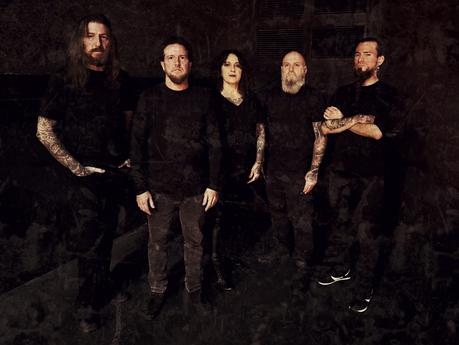
Miembros
Vicente J. Paya – Guitarra/Teclados/Voz
Andrew Spinoza – Bajo/ Voz
Rafel Garcies – Bateria
María J. Lladó – Voz
Dan Garcia – Guitarra
Redes sociales
Facebook: https://www.facebook.com/GolgothaOfficialBand
Instagram: https://www.instagram.com/golgotha_band/?hl=e
There are albums you listen to, and then there are albums you move through. «Hubris», the new work from Golgotha, undoubtedly belongs to the latter category. This is not an album designed for distracted consumption or to function as simple background noise: it demands attention, time, and, above all, a certain emotional readiness. From the first listen, I had the sensation of being before a deeply personal work—uncomfortable at times, honest to the point of heartbreak, and marked by an almost vital need to transform real experiences into sound. There are no grandiose concepts or empty metaphors here: there is life, fall, loss, and reconstruction.
Golgotha was coming off a record like «Spreading the Wings of Hope», an album that already showed a mature band within the melodic doom/death metal scene, capable of combining heaviness, melody, and a very particular emotional sensitivity. However, «Hubris» is not a comfortable or predictable continuation. It is, in many ways, a step toward darker, harsher, and less complacent territories. The band itself has made it clear: these songs are not born of fiction, but of fragments of real life turned into music. And that statement is not a promotional gimmick; it is felt in every riff, in every change of dynamics, and in every vocal line.
The text that conceptually accompanies the album—that fall from comfort, unconsciousness, and self-affirmation into a brutal clash with reality—functions as a fundamental key to understanding it. «Hubris» is a record about overconfidence, about believing the world is made to always sustain you until it stops doing so. The image of wings burning while one continues to fly, convinced that the fire is just another ornament, masterfully summarizes the spirit of the album. And when the fall arrives, Golgotha does not sugarcoat it: they show it as a dry, violent, transforming impact.
Musically, the record moves within the margins of melodic doom/death metal but stretches them intelligently. References to bands like Paradise Lost, My Dying Bride, or Novembers Doom are evident, especially in the use of slow tempos, dense riffs, and atmospheres laden with melancholy. However, Golgotha does not limit itself to reproducing known formulas. There is a clear will for contrast—a constant tension between the beautiful and the devastating, between delicacy and brutality.
The album opens with “A Simple Life”, the first single and, in my view, one of the bravest pieces on the record. Starting with the clean and exposed voice of María J. Lladó is a risky decision, but an absolutely correct one. There is no initial wall of guitars or immediate explosion: there is vulnerability. This almost naked entry acts as an emotional magnet, forcing the listener to pay attention before the full weight of Golgotha’ssound falls upon them. When it does, the contrast is shattering. The song flows with a hypnotic naturalness, and its chorus lingers in the mind not because it is catchy in a conventional sense, but because of the emotional charge it carries.
One of the great successes of «Hubris» is how the band handles the internal dynamics of each track. “Broken Toy” is a perfect example. The song is built on gigantic, slow, almost crushing riffs, accompanied by deep and monstrous guttural vocals. However, Golgotha knows when to withdraw the brute force and leave room for introspection. When María enters with her clean and emotive registers, the song transforms, revealing a fragility that lives naturally alongside the previous aggression. This duality—the black and the beautiful, the broken and the human—is one of the pillars of «Hubris».
Throughout the record, the alternation between harsh and clean vocals does not feel like a simple stylistic device, but rather a narrative tool. Andrew Spinoza provides the harsh vocals that embody rage, resentment, and primal pain, while María represents the more introspective, melancholic, and vulnerable side. Far from competing with each other, both facets complement and enhance one another, creating a constant dialogue that reinforces the album’s emotional character.
“Too Late” deepens this idea from a different perspective. The track crawls at a slow, almost ceremonial tempo, with a very strong focus on classic death/doom. For much of the song, the atmosphere is oppressive and dark, as if there were no possible way out. And then comes the melodic chorus—a sort of pale light filtering through the cracks. It is not a full redemption or a happy ending, but rather a reminder that even in the densest darkness, there is the possibility of feeling something different. The guitar solo that appears later is brief but intense, a burst of emotion amidst the constant weight.
“Blind” is, for me, one of the highlights of the record. There is something deeply solemn about this song, something reminiscent of a majestic funeral, as if saying goodbye not just to a person, but to a previous version of oneself. The phrase “I became just an echo…” perfectly summarizes that feeling of the dissolution of identity after the fall. Musically, the track stands out for its balance: heavy without being monotonous, melodic without losing gravity, and emotive without falling into excess.
The final stretch of the album maintains the level with admirable coherence. Far from exhausting itself, «Hubris» seems to gain emotional weight as it progresses. The closing with “Intolerance” is especially effective. Here, Golgotha presents a kind of musical conflict between the nobility of accepted pain and the still-open wound of suffering. The guitars move between somber riffs and more atmospheric passages, while the rhythm section holds everything together with unquestionable solidity. It is an ending that does not seek to resolve or fully close, but rather to leave the listener in a state of uncomfortable yet honest reflection.
The production plays a key role in the album’s impact. For «Hubris», Golgotha enlisted Davide Billia, known for his work with bands like Antropofagus, Beheaded, or Posthuman Abomination. His contribution is evident. The sound of the album is dense, organic, and powerful, but never confusing. Each instrument has its space, even in the most crowded moments, and the production manages to convey a sense of emotional rawness without sacrificing clarity. There is no overproduction or artificial polishing: «Hubris» sounds human, imperfect, and therefore, more believable.
At the instrumental level, the work of Vicente J. Paya and Dan Garcia on guitars is outstanding. The riffs do not seek empty virtuosity, but emotional impact. There is a very intelligent use of harmonies and silences, something fundamental in a genre where excess can dilute intensity. The rhythm section, with Rafel Garcieson drums, provides a firm and contained pulse, knowing when to push and when to pull back to let the songs breathe.
It is impossible not to highlight the role of María J. Lladó on this record. Her vocal performance not only provides contrast but becomes one of the emotional axes of the album. Her clean registers convey fragility, sadness, and a palpable humanity without ever falling into exaggerated drama. In an album so laden with real emotions, her contribution is essential for «Hubris» to function as something more than a stylistic exercise.
In the current context of melodic doom/death metal, «Hubris» stands as a mature and brave work. It does not try to reinvent the genre, but it does delve deeper into it from a personal and honest perspective. In a landscape where many bands opt for safe formulas or excessively polished productions, Golgotha chooses to show its scars, to turn the fall into an artistic discourse.
It is not an easy or complacent record, and it likely doesn’t intend to be. «Hubris» can be emotionally heavy, even exhausting, if listened to without the right mindset. But that is precisely where its value lies. It is an album that accompanies you in dark moments, offering no simple answers or immediate comforts, but a raw reflection of what it means to face the loss of certainty.
Ultimately, «Hubris» is a deep, intense, and coherent work that confirms Golgotha as one of the most interesting bands in the current melodic doom/death scene. It is an album that is not just heard, but felt, leaving a lasting mark long after the last chord fades away.
Score: 9 / 10
«Hubris» is the confirmation that Golgotha is experiencing a second golden youth. It is an album that empties you and reconstructs you through pain. With superb production by Davide Billia and a vocal performance that borders on perfection in its duality, this record stands not only as the band’s best work to date but as an absolute benchmark for European doom/death of this decade. Golgotha has fallen from the heights to teach us that, on the rocks of reality, music remains the only possible refuge.







 Puzzle Bobble
 Karate Blazers
 Puzzle De Bloques
 Magical Cat Adventure